
- July 24, 2026
- 11 min read
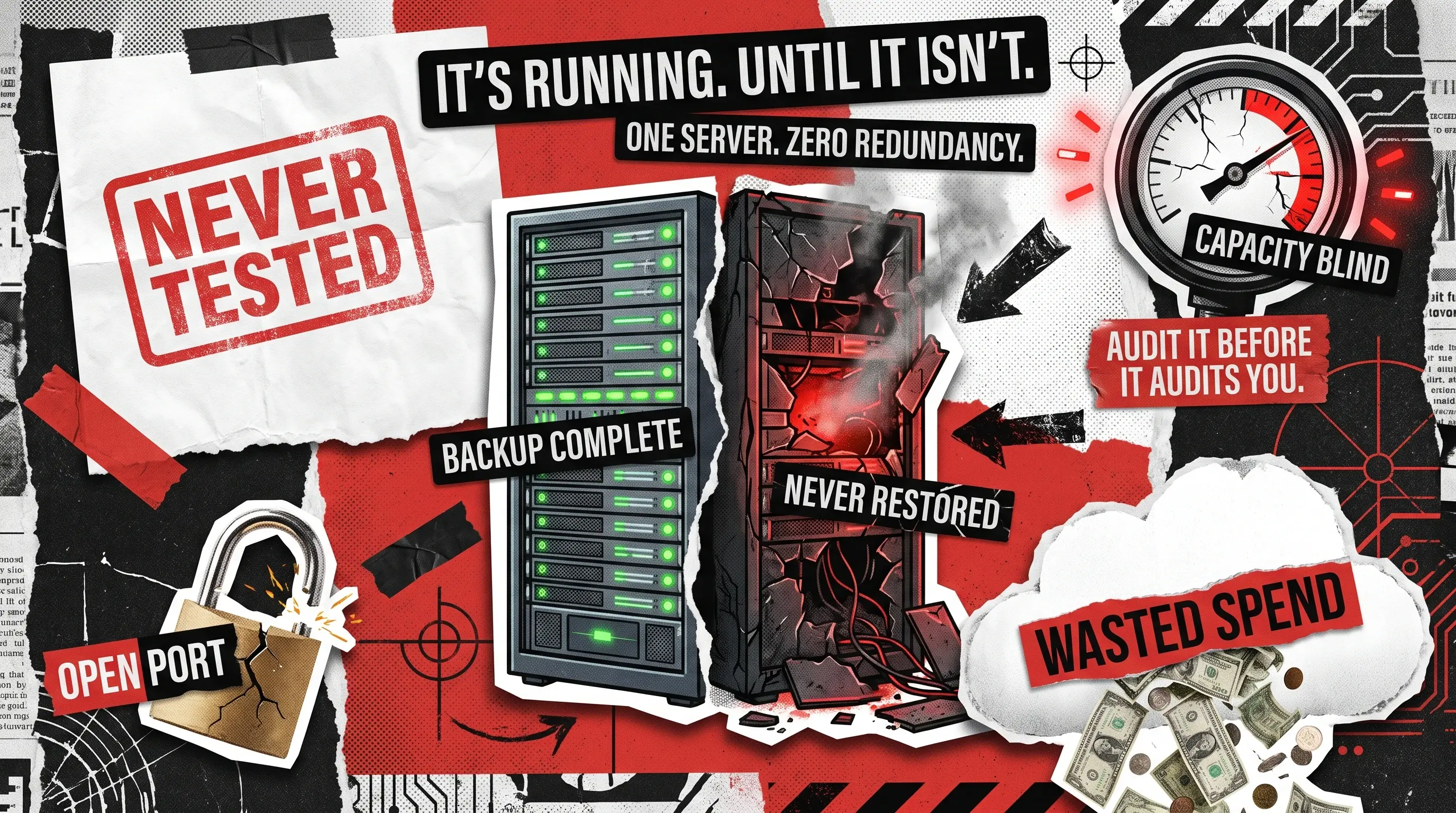
An IT infrastructure audit checks hosting, databases, CI/CD, backups, network, and cloud cost. Here is exactly what to review and how to run one.
- July 23, 2026
- 12 min read
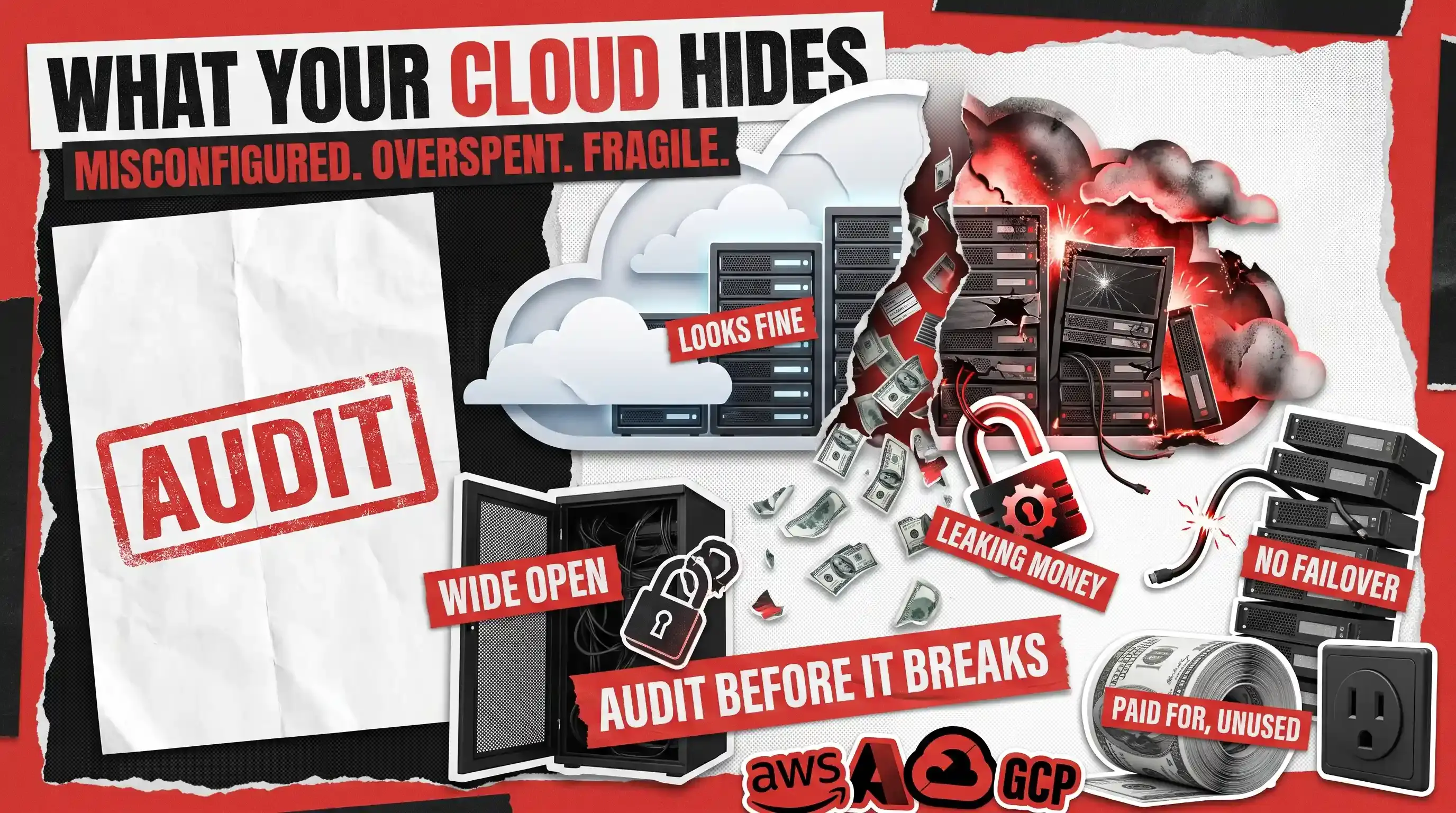
A cloud infrastructure audit finds three things on AWS, Azure, and GCP: misconfiguration, overspend, and fragility. Here is what it checks, how it works, and when you need one.
- July 23, 2026
- 9 min read
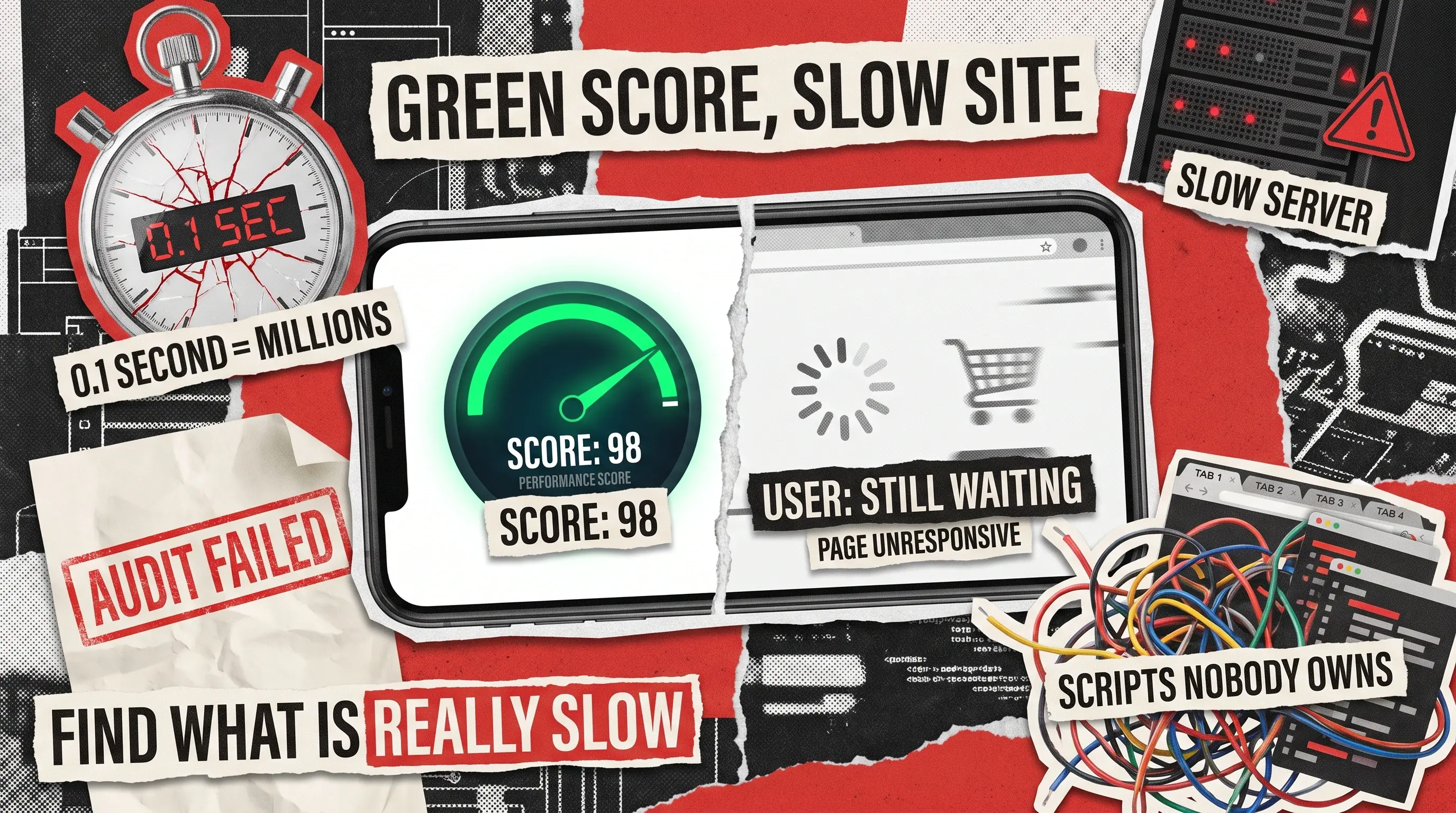
A web performance audit finds what is slowing your site, from Core Web Vitals to servers and scripts, then ranks fixes by impact on speed and revenue.
- July 21, 2026
- 9 min read
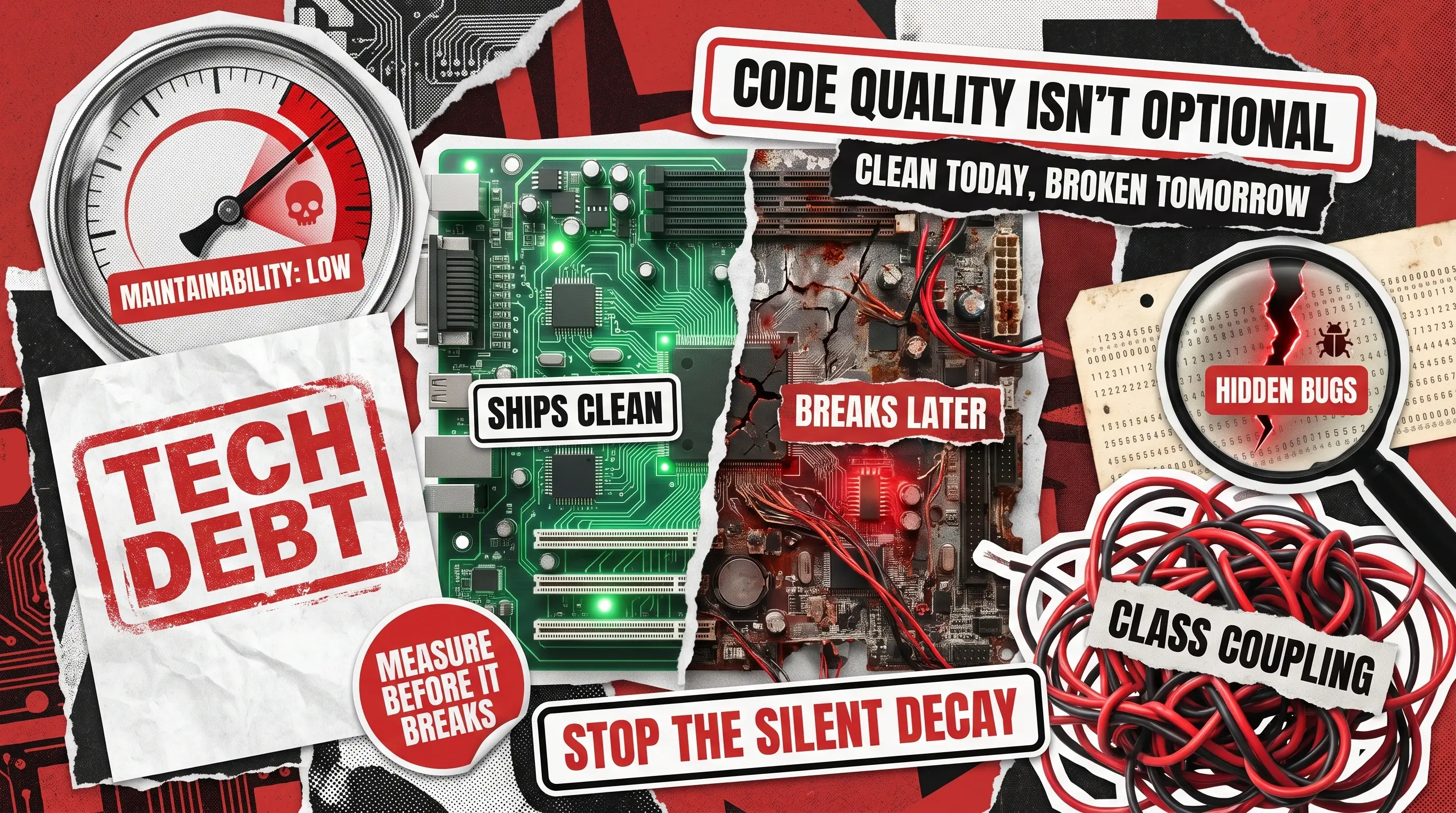
Code quality decides how fast, cheap, and safely your software can change; here is how to measure it with four proven metrics, improve it, and keep it from slipping over time.
- July 15, 2026
- 10 min read
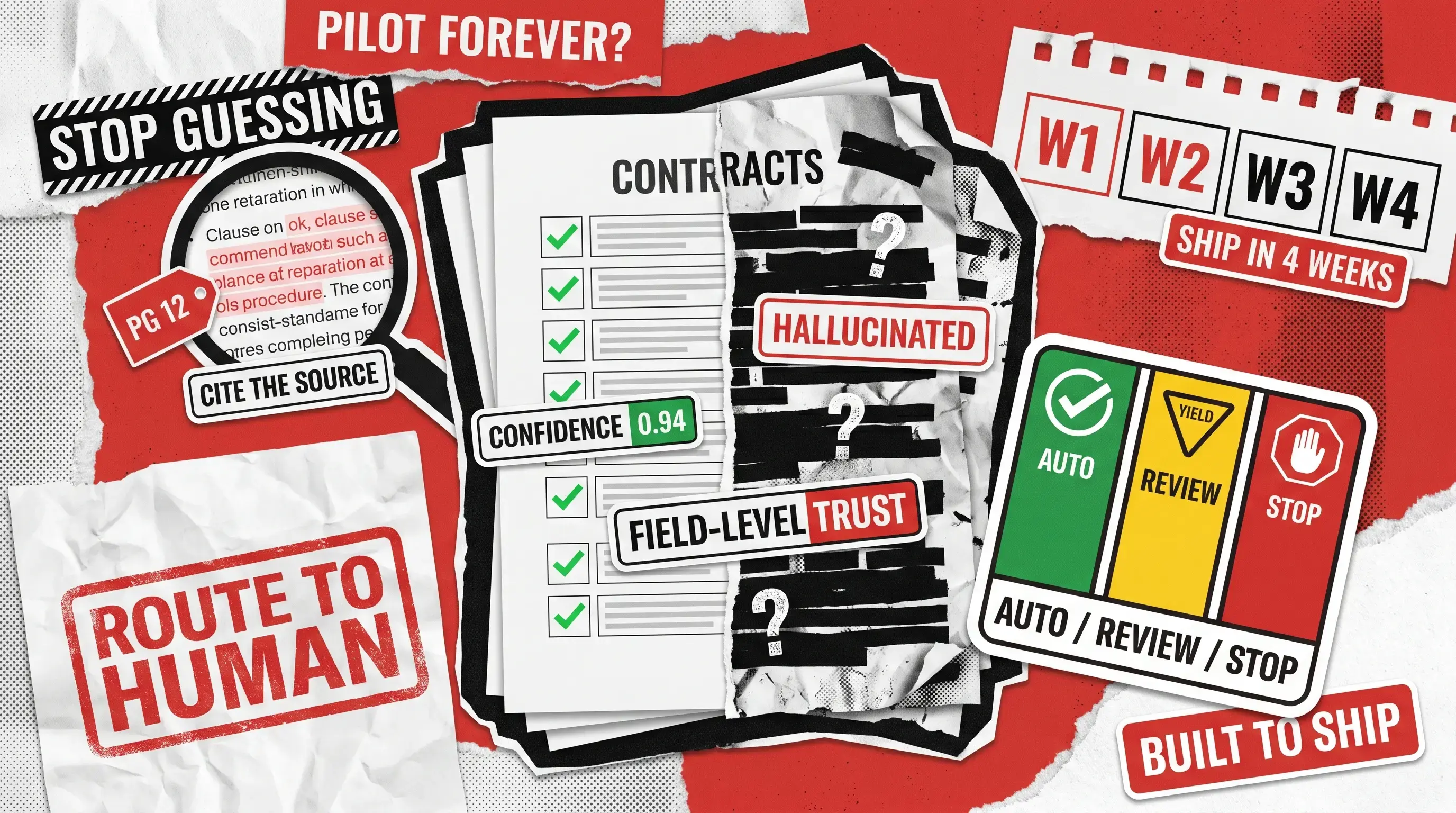
A document review pipeline either delivers or does not, and the gap between the two outcomes usually has nothing to do with model choice. It comes down to architecture decisions made in week one, prompt patterns chosen by use case, and a confidence routing strategy that survives contact with real documents.
- July 9, 2026
- 9 min read
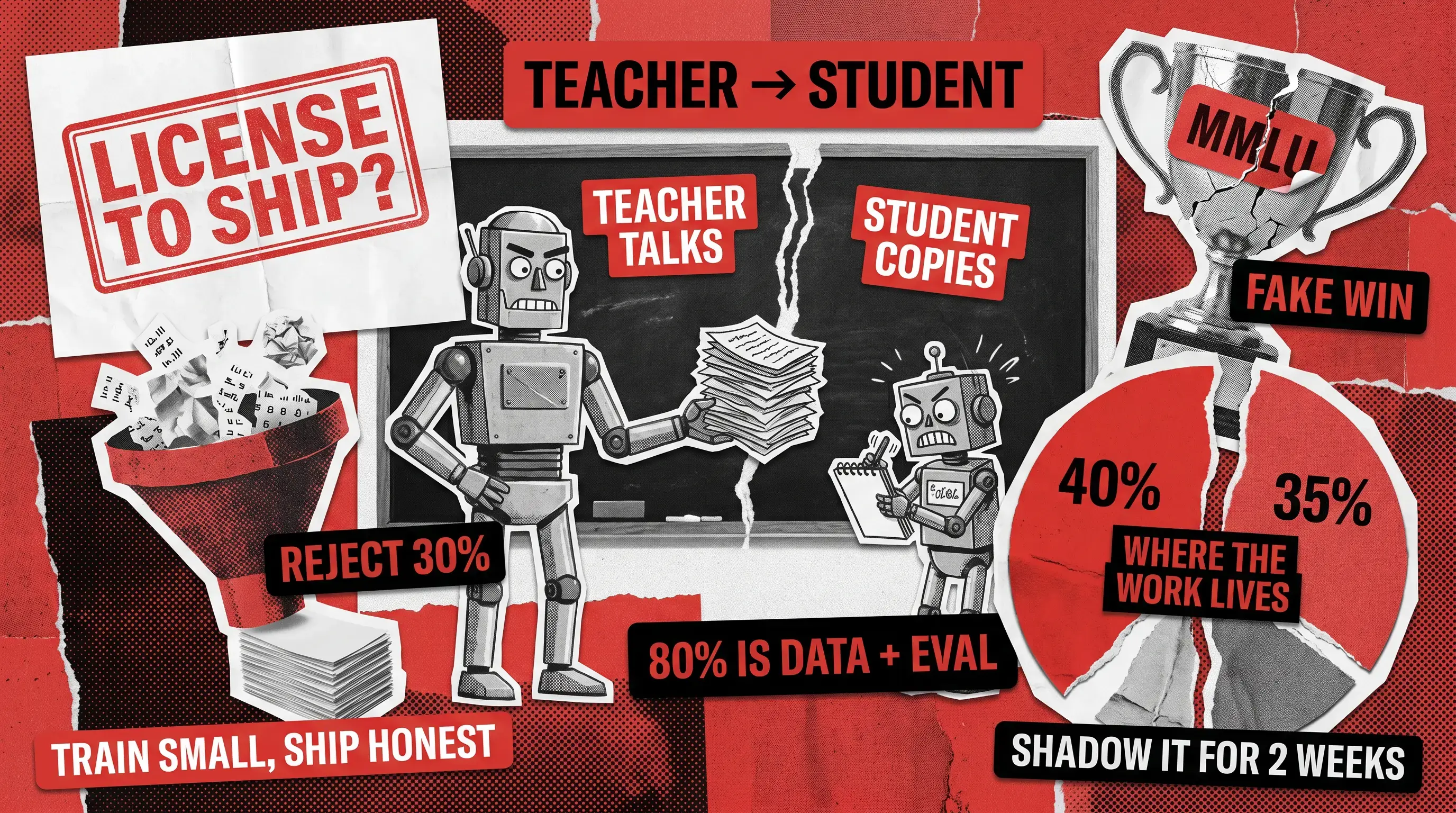
Most tutorials make LLM distillation look like a weekend project. Forty lines of Hugging Face code, a BERT to DistilBERT swap, done. The real pipeline is a different scale of work. You pick a teacher you are legally allowed to use, generate a synthetic dataset that does not poison the student, train with LoRA, and prove the student did not quietly regress on the inputs your users actually send.
- June 25, 2026
- 12 min read
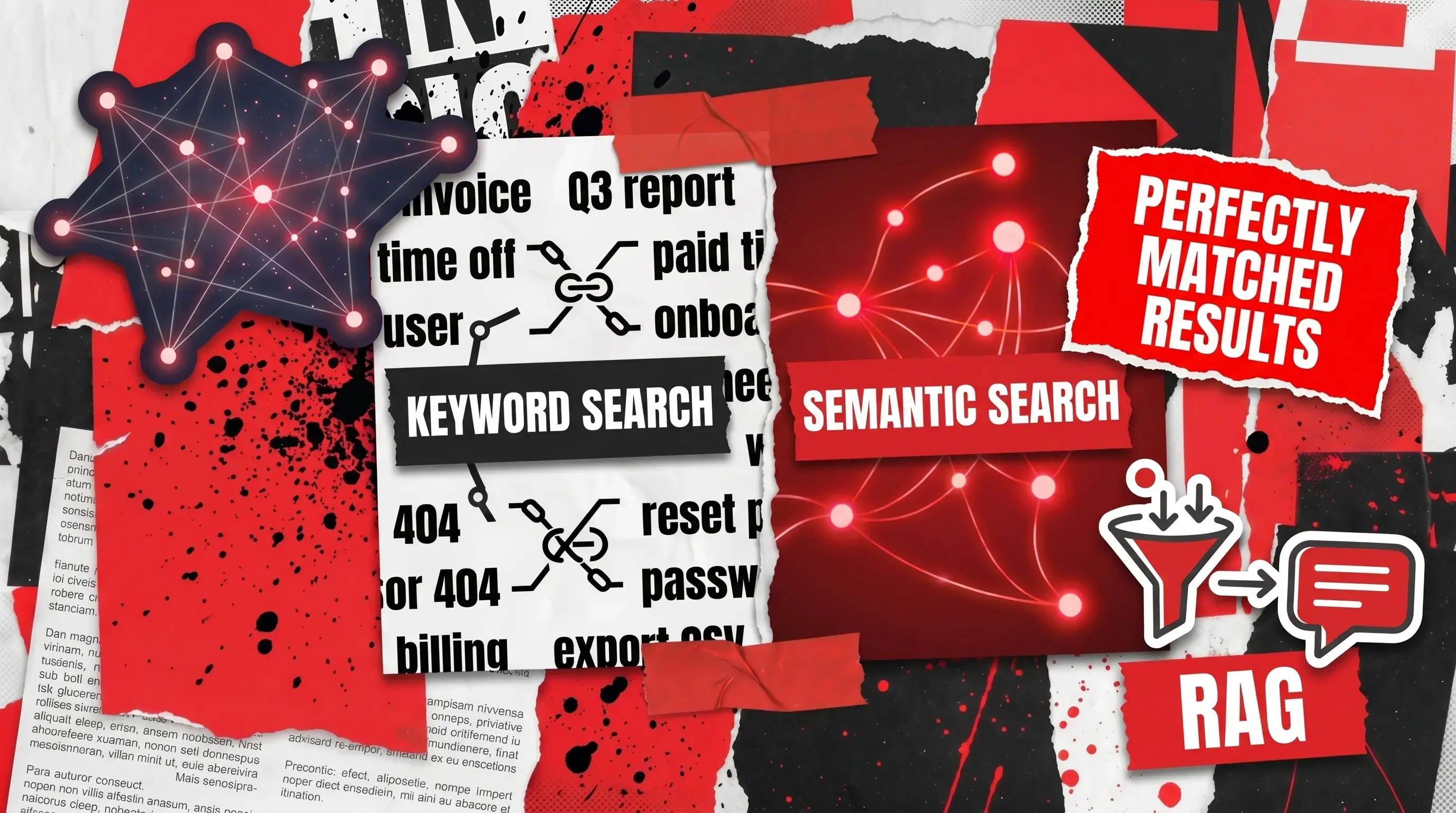
When a user types a full question into your search bar and gets nothing useful back, they rarely rephrase and try again. They simply give up, and that friction compounds across every session and every account.
- June 23, 2026
- 9 min read
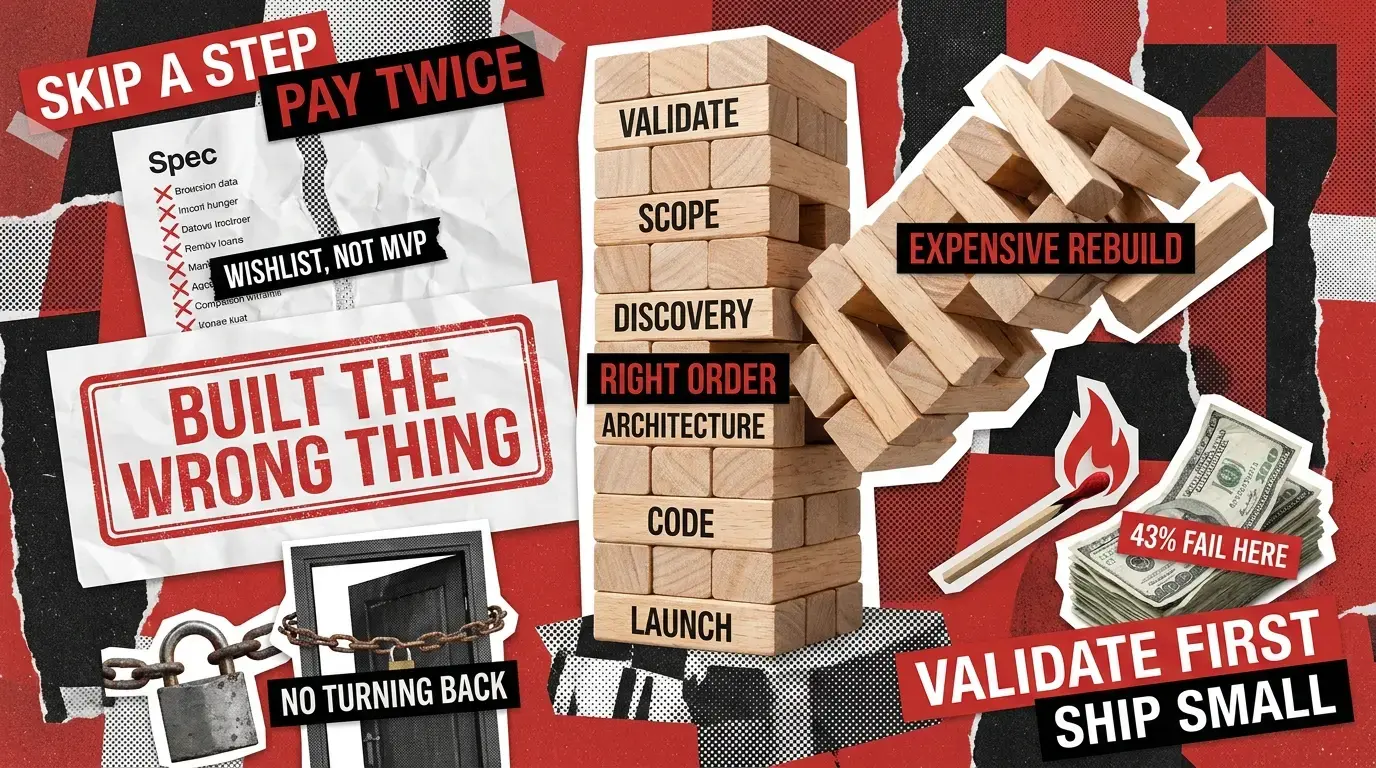
Most SaaS products that fail were built correctly. They solved the wrong problem, or solved the right one in the wrong order, and the code worked perfectly the whole way down.
- June 23, 2026
- 11 min read
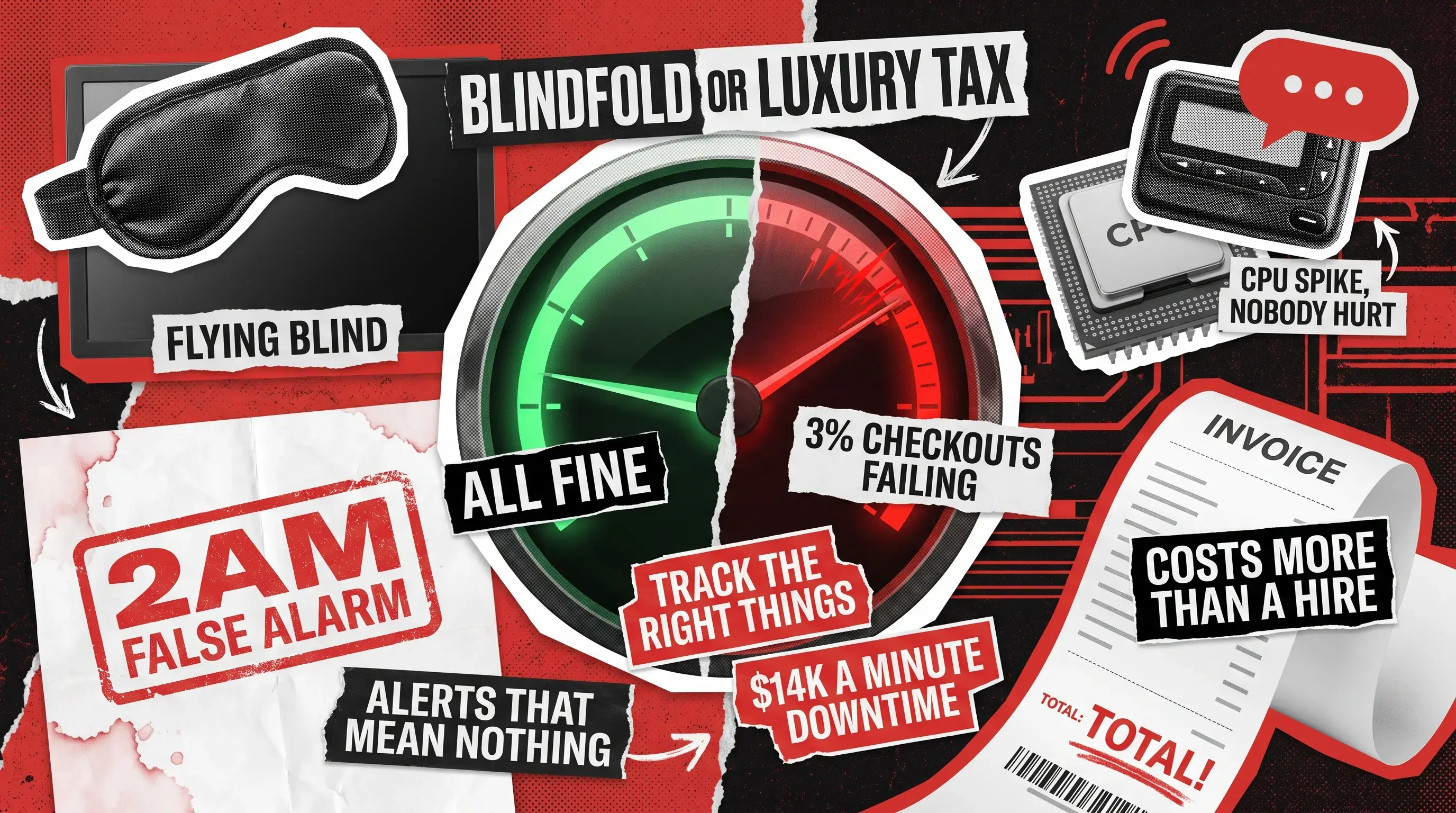
The journey toward mastering SaaS observability usually starts in one of two extreme, accidental traps. In the beginning, most founders take the ‘flying blind’ route. You track absolutely nothing, ship features at lightning speed, and blissfully assume everything is fine until a frustrated user blasts a game-breaking bug all over social media. Panicked, you swing violently to the other extreme: buying a massive, enterprise-grade monitoring platform before you even hit 500 active users. Three months later, you wake up to a bill that costs more than your first engineering hire.
- June 19, 2026
- 11 min read
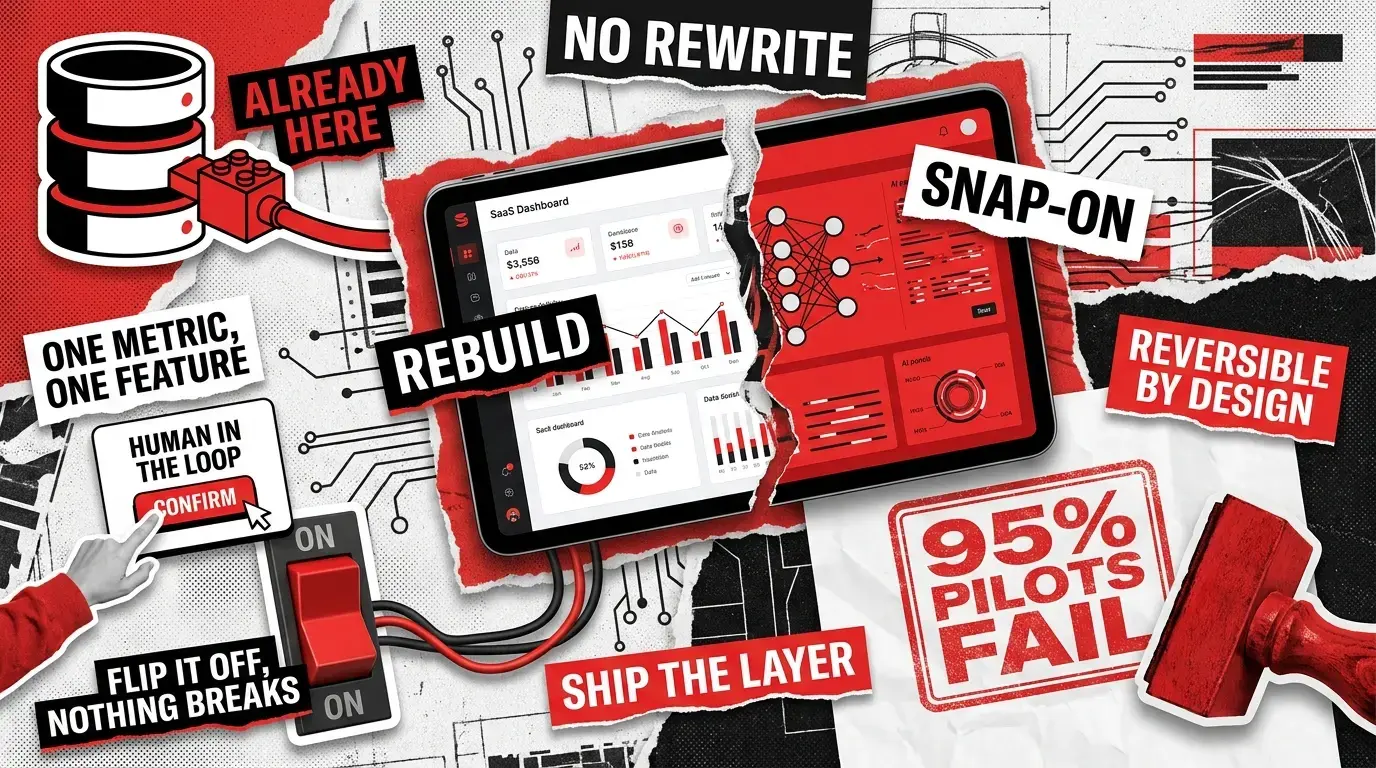
A competitor just deployed an AI feature. Now your users want one, your board keeps forwarding demos, and an investor wants to know your “AI roadmap” by the next call. You have a product that works and customers who pay for it, and the idea of tearing it apart to bolt on AI feels like trading a real business for a science experiment.