
- June 19, 2026
- 12 min read
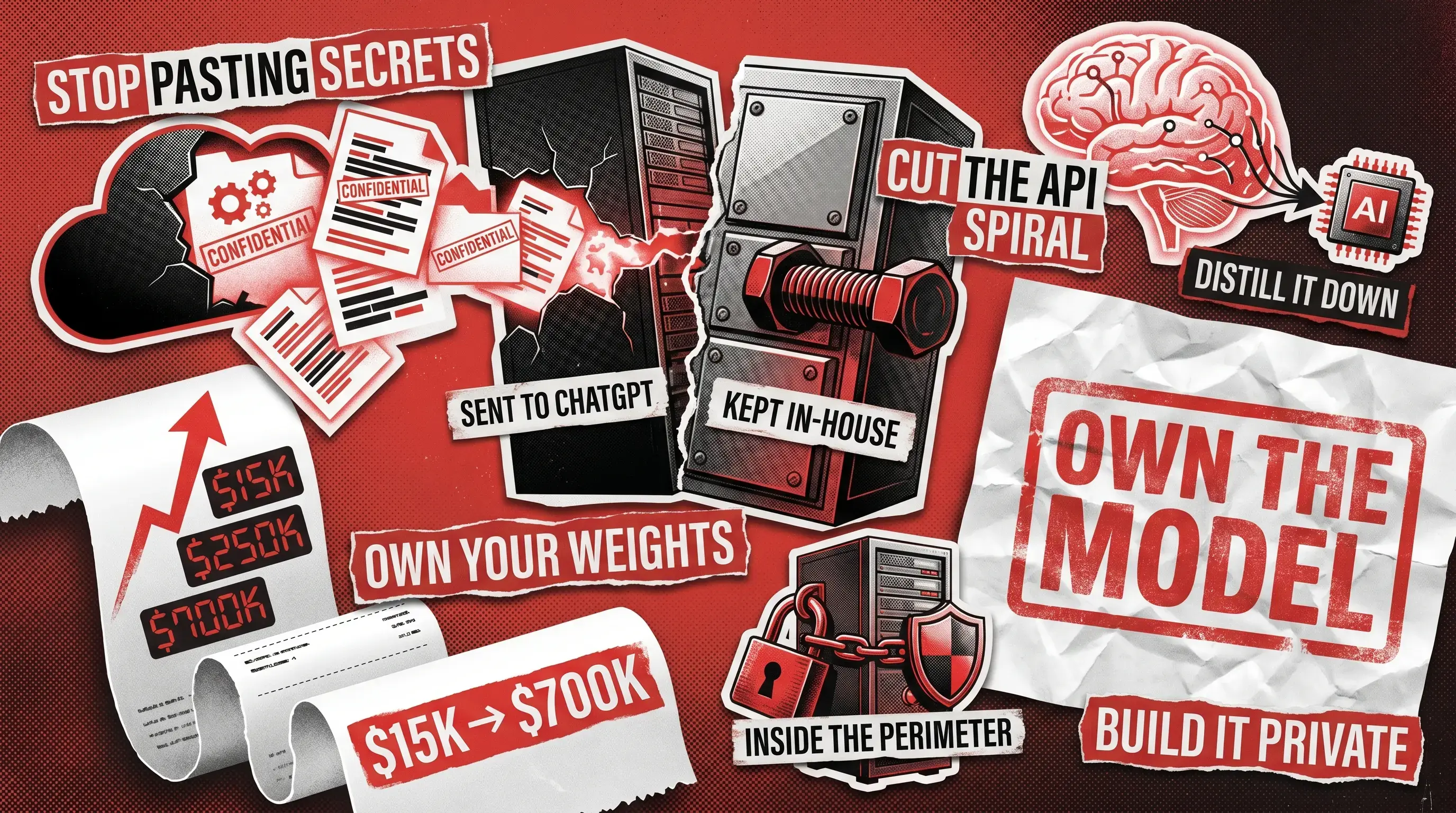
The road to adopting a private LLM usually starts with a quiet moment of sudden panic. Maybe your legal team suddenly realizes they’ve been casually pasting confidential client contracts into public ChatGPT windows, or your CTO opens the quarterly API bill and feels their soul briefly leave their body, realizing that usage tripled.

- June 11, 2026
- 12 min read
For years, custom software was a luxury reserved for enterprises with deep pockets. Small and midsize businesses were stuck choosing between off-the-shelf SaaS that almost fit, or expensive consultancies that almost delivered on time. That gap just closed.
- June 2, 2026
- 15 min read
Imagine you signed the letter of intent three weeks ago, and closing is on the calendar. Your engineering team is busy preparing the data room, your CFO is fielding finance questions, and your lawyers are stress testing the purchase agreement. Then the buyer's technical auditors arrive for M&A due diligence and, within 72 hours, file findings that put the agreed price back on the table.
- May 25, 2026
- 16 min read
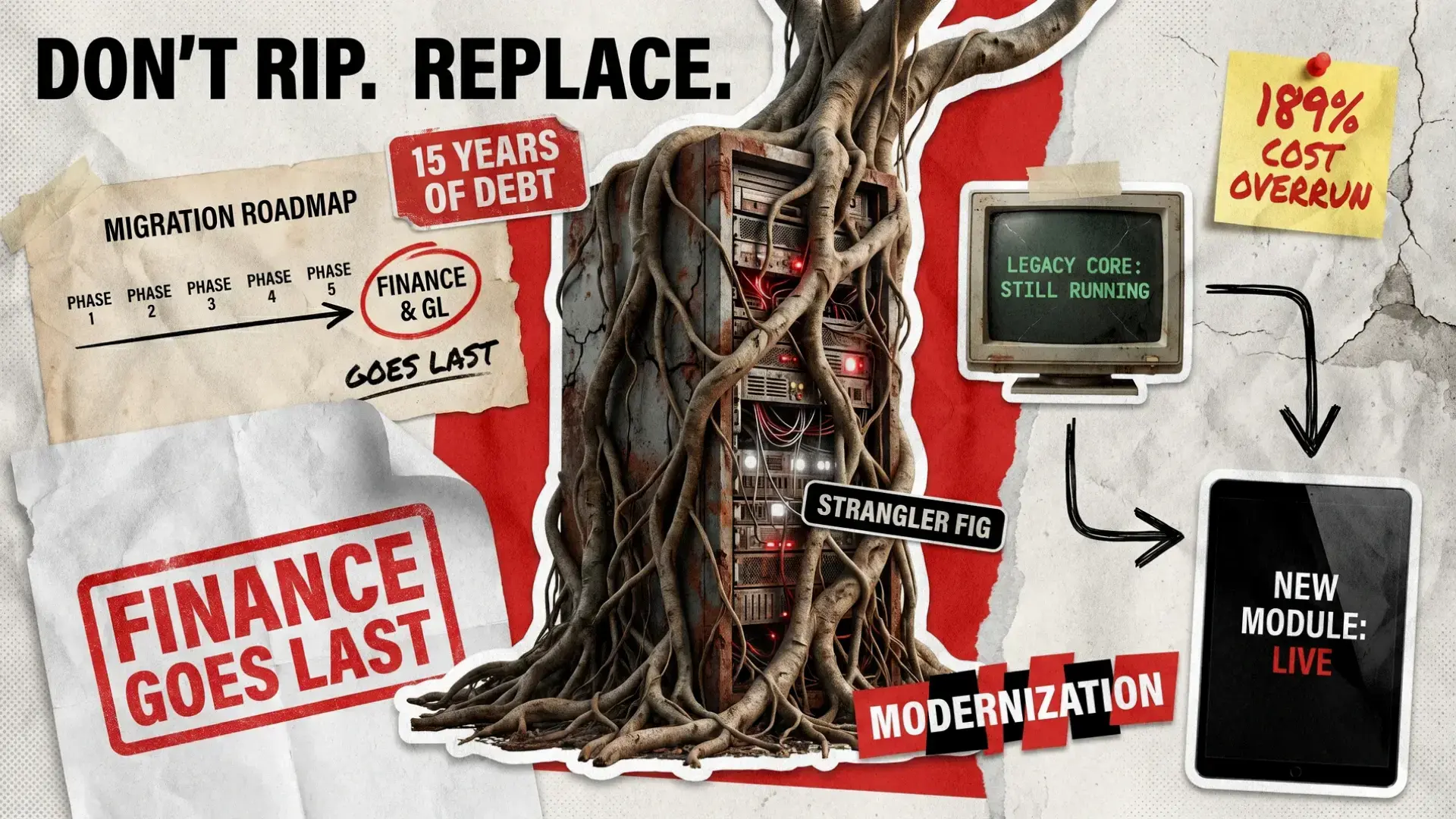
Between 55% and 75% of Enterprise Resource Planning (ERP) implementations fail to meet their original objectives. That number has barely moved in a decade, despite every vendor promising that legacy ERP modernization has never been easier.
- May 19, 2026
- 11 min read
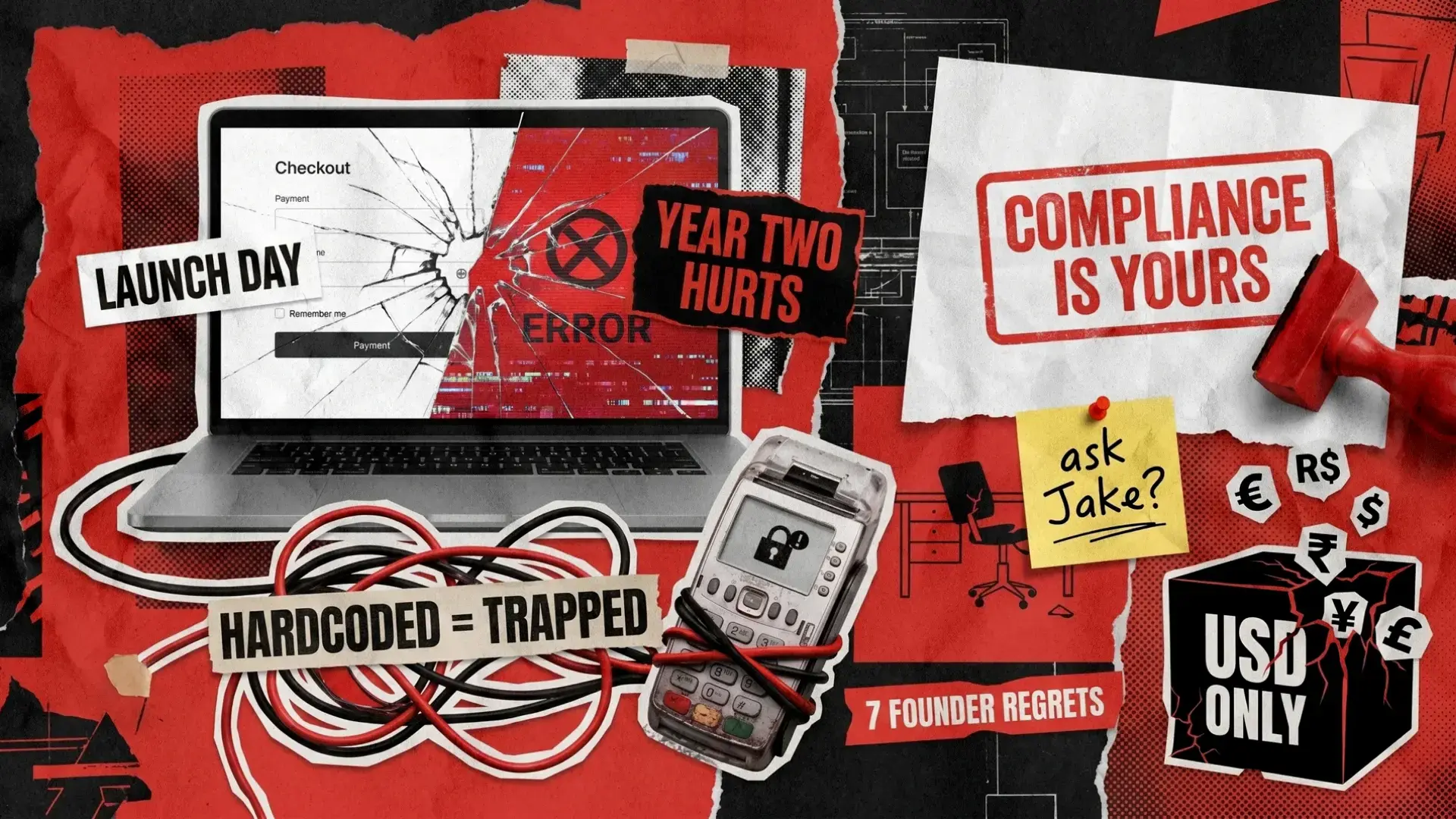
Setting up Stripe took your team an afternoon. The payment gateway integration felt clean, the first demos went well, and the first charges landed where they were supposed to. Then year two passed, and that picture isn’t looking all that well at all.
- May 13, 2026
- 11 min read
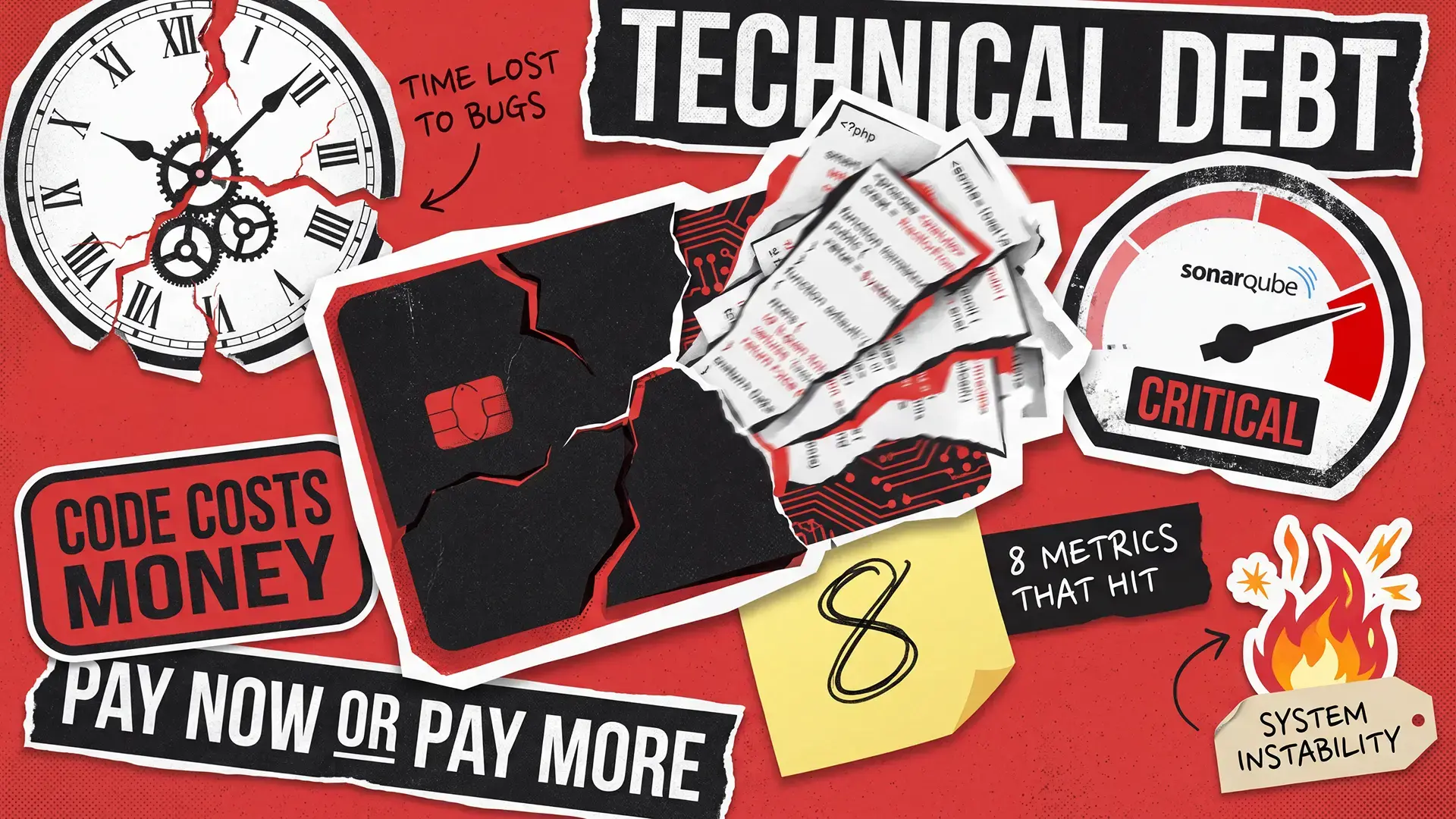
Technical debt is the digital equivalent of sweeping dirt under the rug. We need to stop guessing and start exploring how to measure technical debt with actionable, realistic frameworks.
- April 24, 2026
- 14 min read
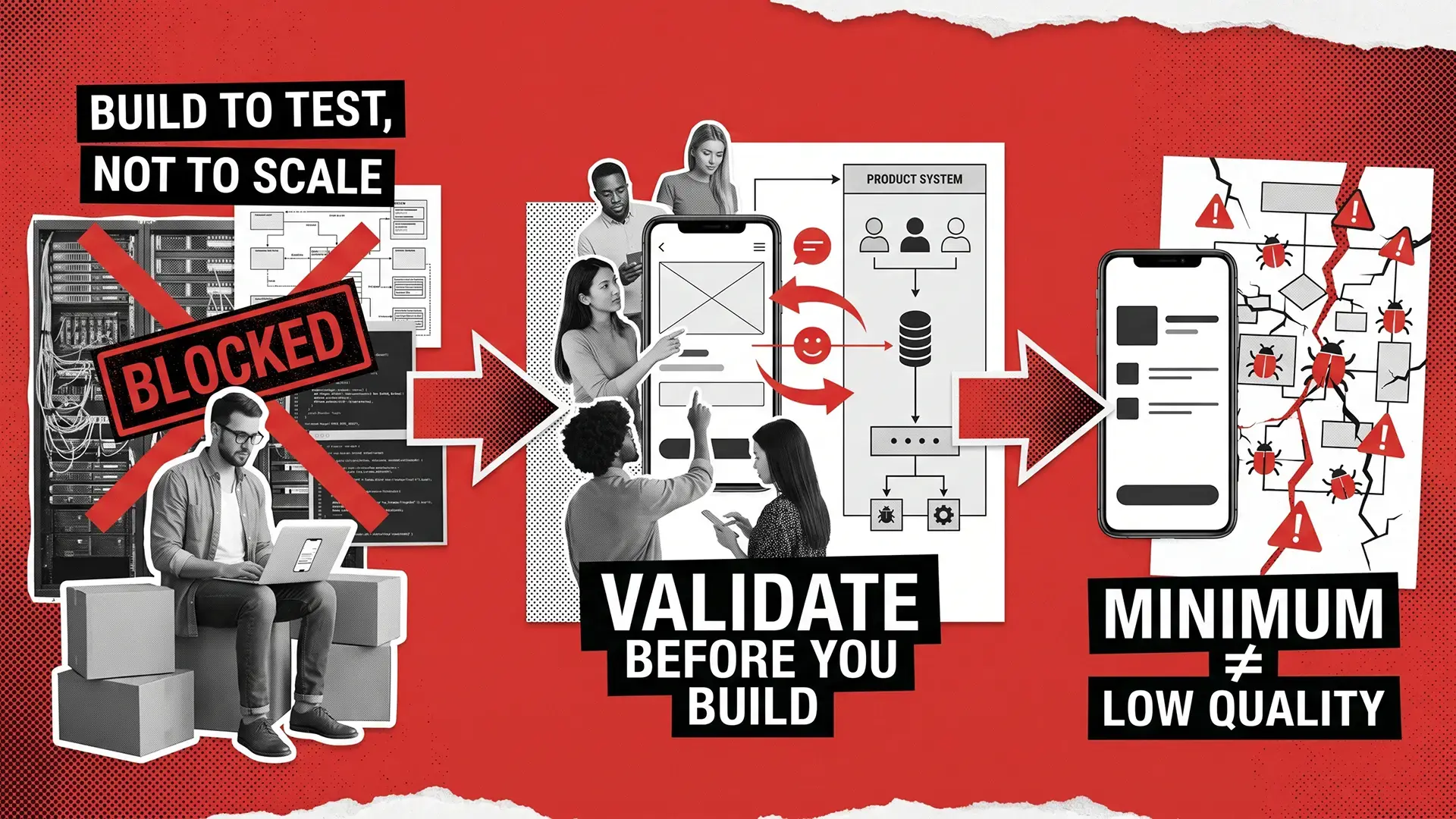
Here’s a stat that should make every founder pause: 43% of startups fail because they build something nobody wants. That’s the entire reason the minimum viable product (MVP) exists. An MVP is the fastest, cheapest way to answer one question: Should we build this? And yet, most teams still get it wrong. They either ship a half-baked mess or spend 18 months perfecting features no user asked for.
- April 23, 2026
- 10 min read
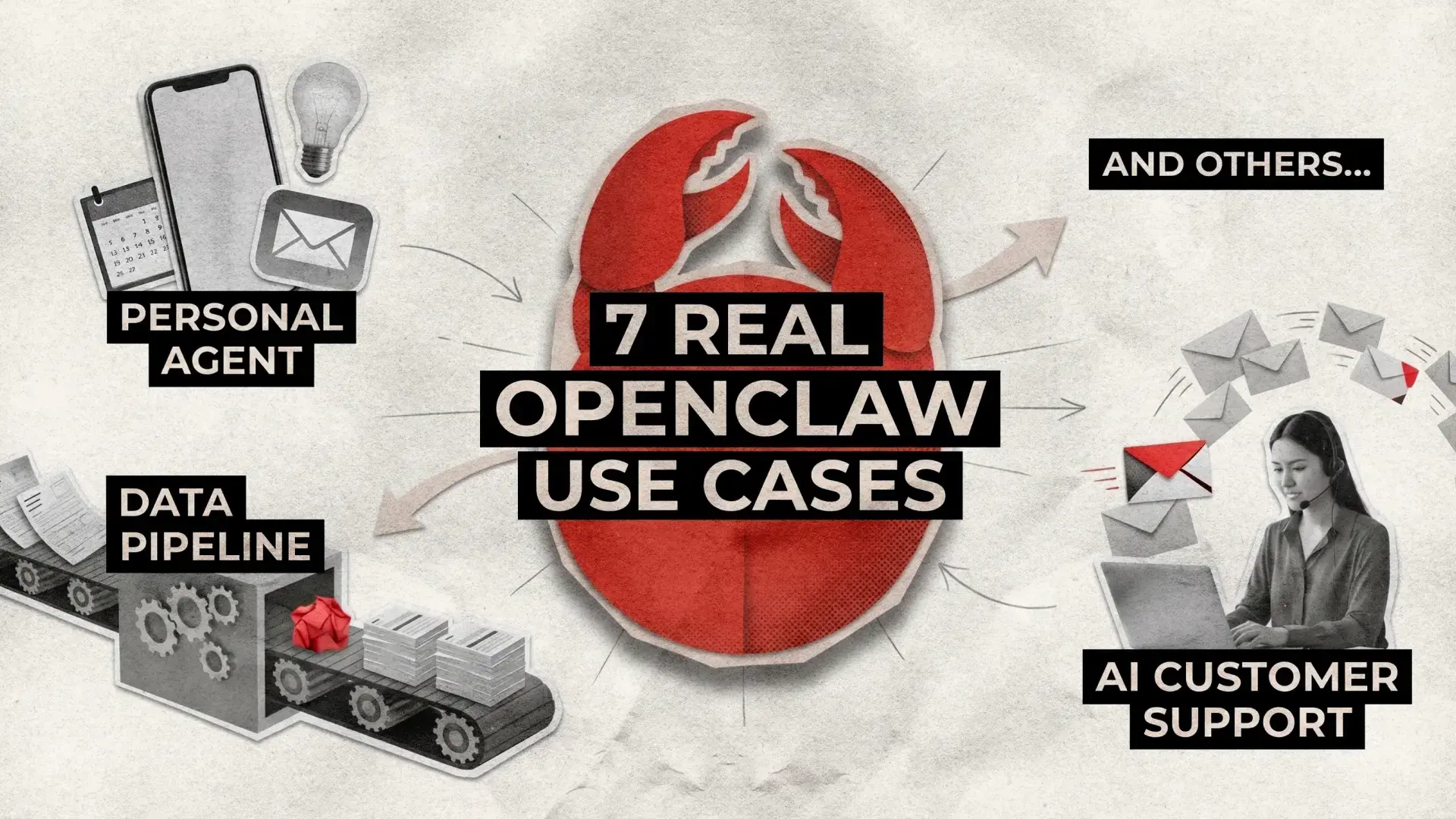
OpenClaw demos look incredible. Set up an agent on a Saturday, connect it to WhatsApp, and suddenly it’s managing your calendar and drafting emails. Feels like the future.

- March 20, 2024
- 12 min read
Building a delivery app is a viable and lucrative venture because it brings multiple benefits to consumers, restaurant owners, and entrepreneurs who created those food ordering apps. Consumers enjoy the convenience and a broad choice of cuisines conveniently grouped in a single solution. Restaurant owners increase the exposure of their brand, increase customer loyalty, and

- November 26, 2019
- 6 min read
The effective fashion business is a precisely calculated place to open a store multiplied by active cooperation with bloggers and the personal brand of the founder. However, nowadays, this trio must respond to the rapidly evolving digital world. So if you want to know the ways to increase sales, find the answer on how to