
- October 1, 2026
- 11 min read
Fintech software development explained: the five main product types, the step-by-step build process, and the compliance rules to plan for up front.

- August 4, 2026
- 11 min read
Three-quarters of enterprises have already rolled back an AI agent. Here is the four-part supervision layer that decides which deployments survive.
- July 14, 2026
- 8 min read
You've read the strategy decks. McKinsey, Accenture, BCG. The board has signed off on "doing something with AI." And now you're staring at an org chart with twelve functions, trying to figure out which one becomes the proof point that justifies the next twelve months of budget.
- July 14, 2026
- 11 min read
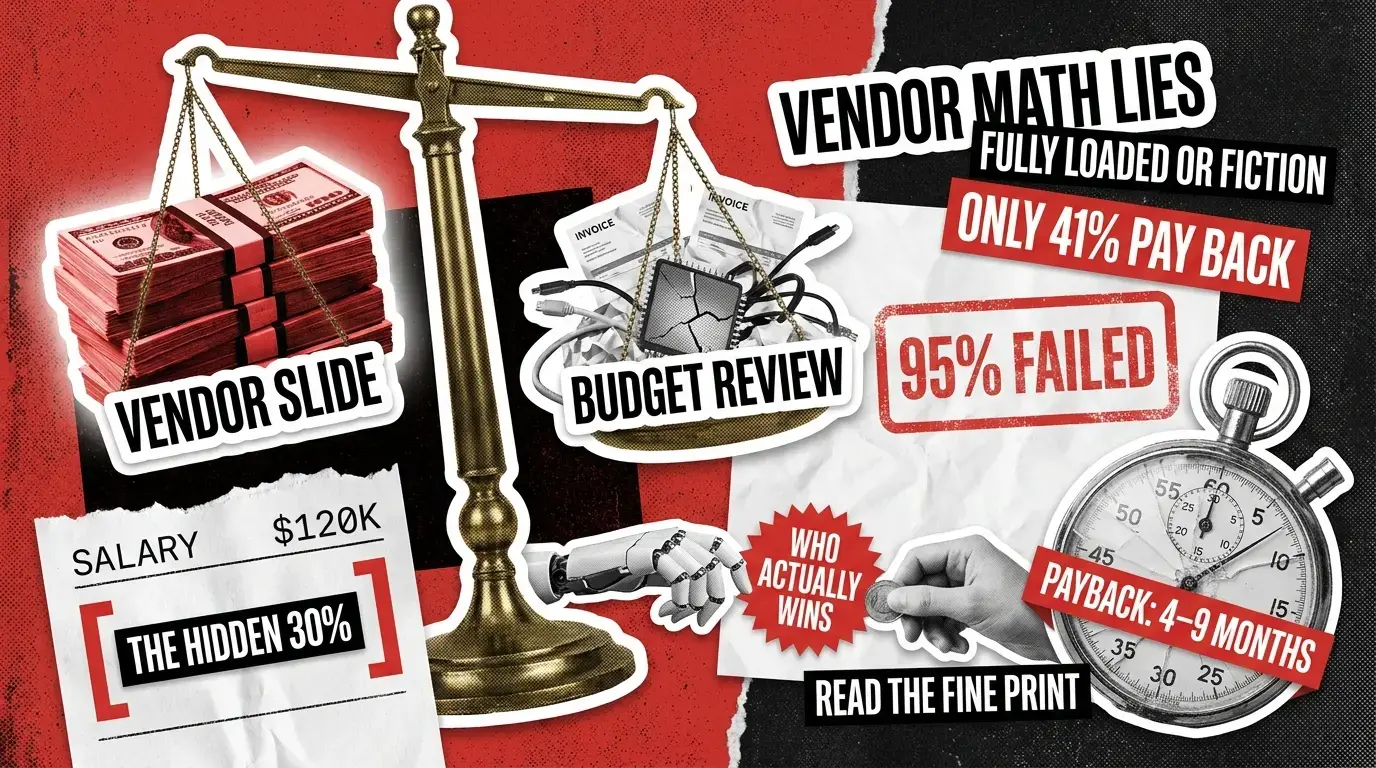
“Replace the team with AI” reads great on a slide and falls apart in the budget review. The vendor math leaves out build cost, maintenance, and the deployments that never pay back. The traditional staffing math anchors on salary and ignores the 30 percent that sits behind it. Both versions collapse the moment a CFO asks for the assumptions in writing.
Why AI Workforce Transformation Fails: The 4 Mistakes Companies Make Before They Even Start Building
- July 9, 2026
- 9 min read
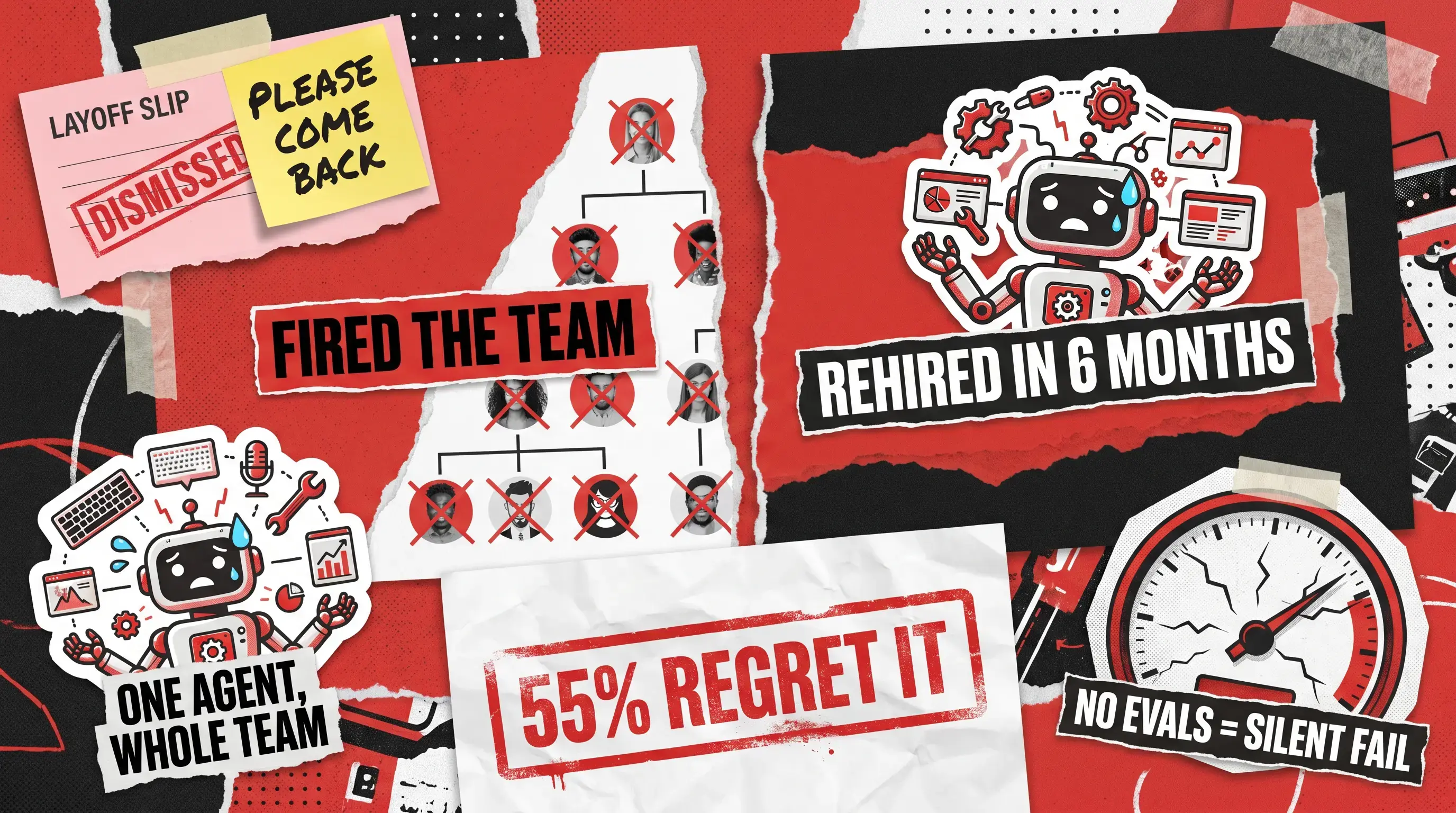
In February 2026, Careerminds surveyed 600 HR leaders who had run AI-driven layoffs over the prior 12 months. Almost a third had already rehired for 25% to 50% of the roles they cut, and only 8.4% said their AI-led restructuring delivered the promised results. Forrester‘s 2026 Future of Work report puts the same trend in different words: 55% of employers now regret laying people off for AI. The boomerang isn’t a hypothesis anymore. It’s the dominant pattern.
- July 7, 2026
- 10 min read
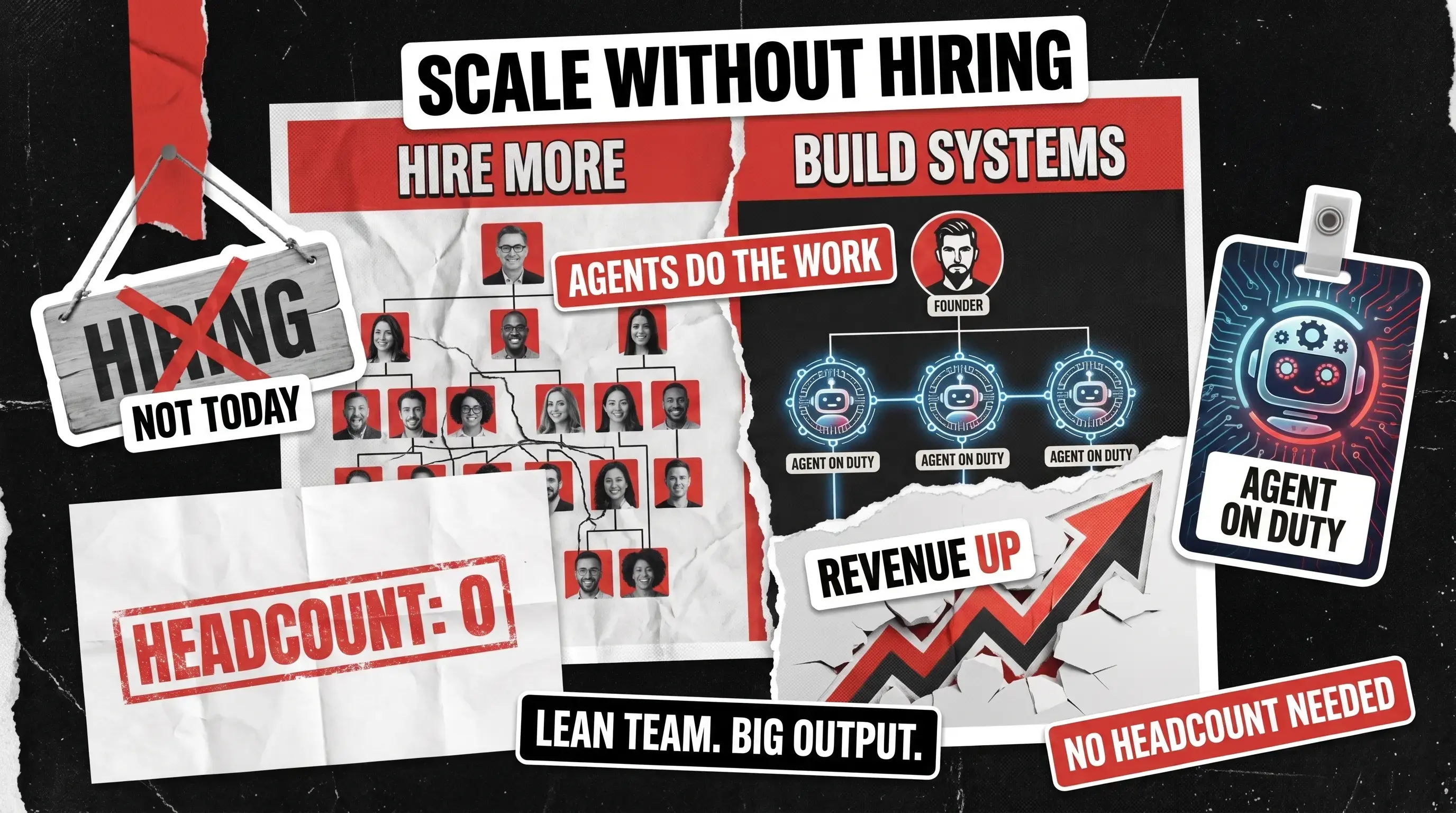
Every founder hits the same wall: revenue needs to climb and you have some opportunities, but you don't have enough people. Then you look at the real cost of hire and understand that expanding the team is not feasible. And don't you forget that each new employee takes months of onboarding and management time. The uncomfortable truth is that one more person rarely moves the numbers as fast as the spreadsheet promised. In 2026, owners who hit that wall have an alternative in AI workforce transformation.
- July 6, 2026
- 8 min read
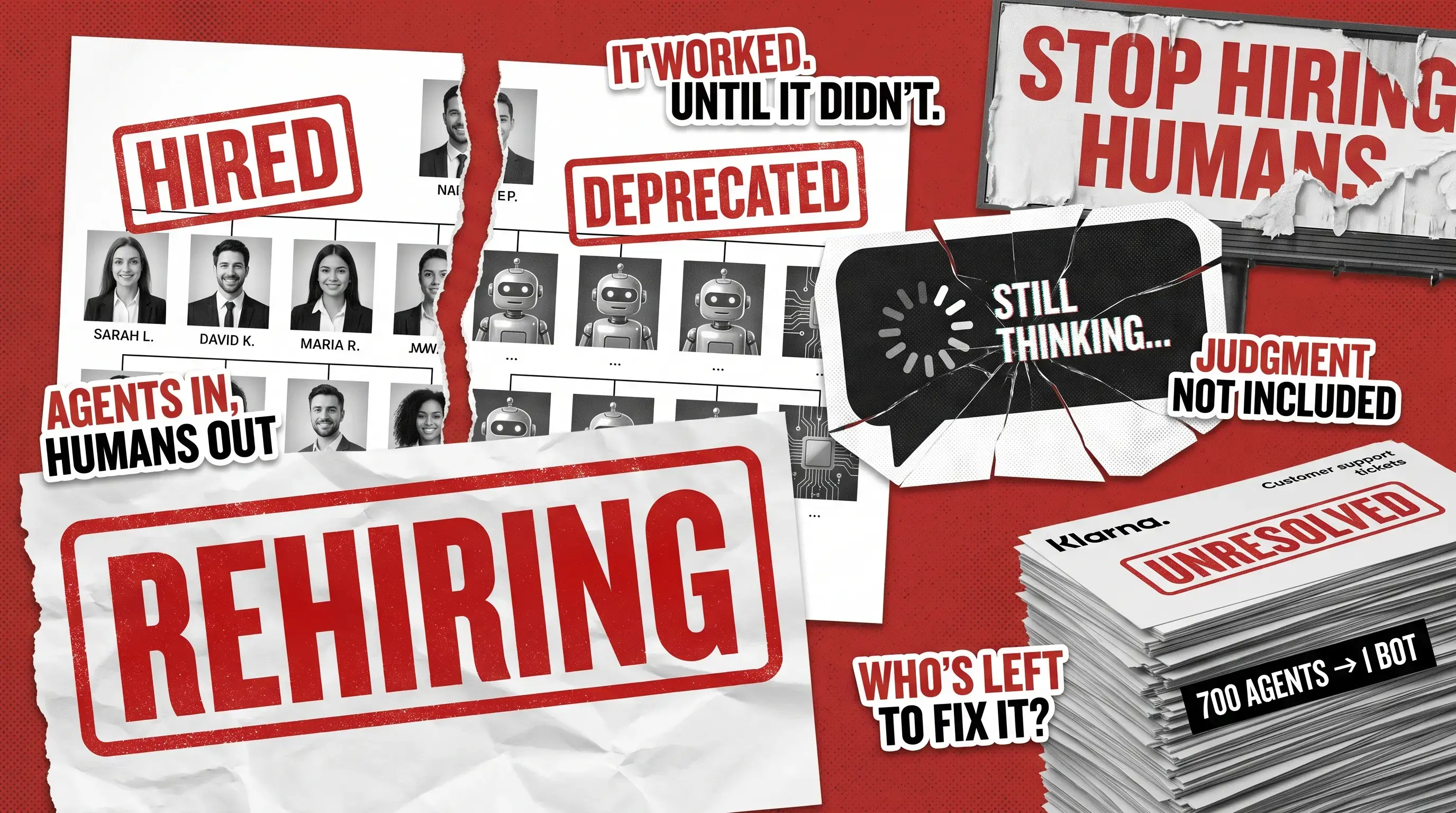
In 2024, a billboard towered over San Francisco with a blunt message for every business owner who walked past: stop hiring humans. The promise behind it was that AI could now do the jobs instead. Two years later, some of the companies that believed in it are quietly rehiring people, while others are posting record revenue with a fraction of their old headcount. If you have been watching all these companies replacing employees with AI agents and wondering whether it truly works, you are asking exactly the right question.
- July 1, 2026
- 12 min read
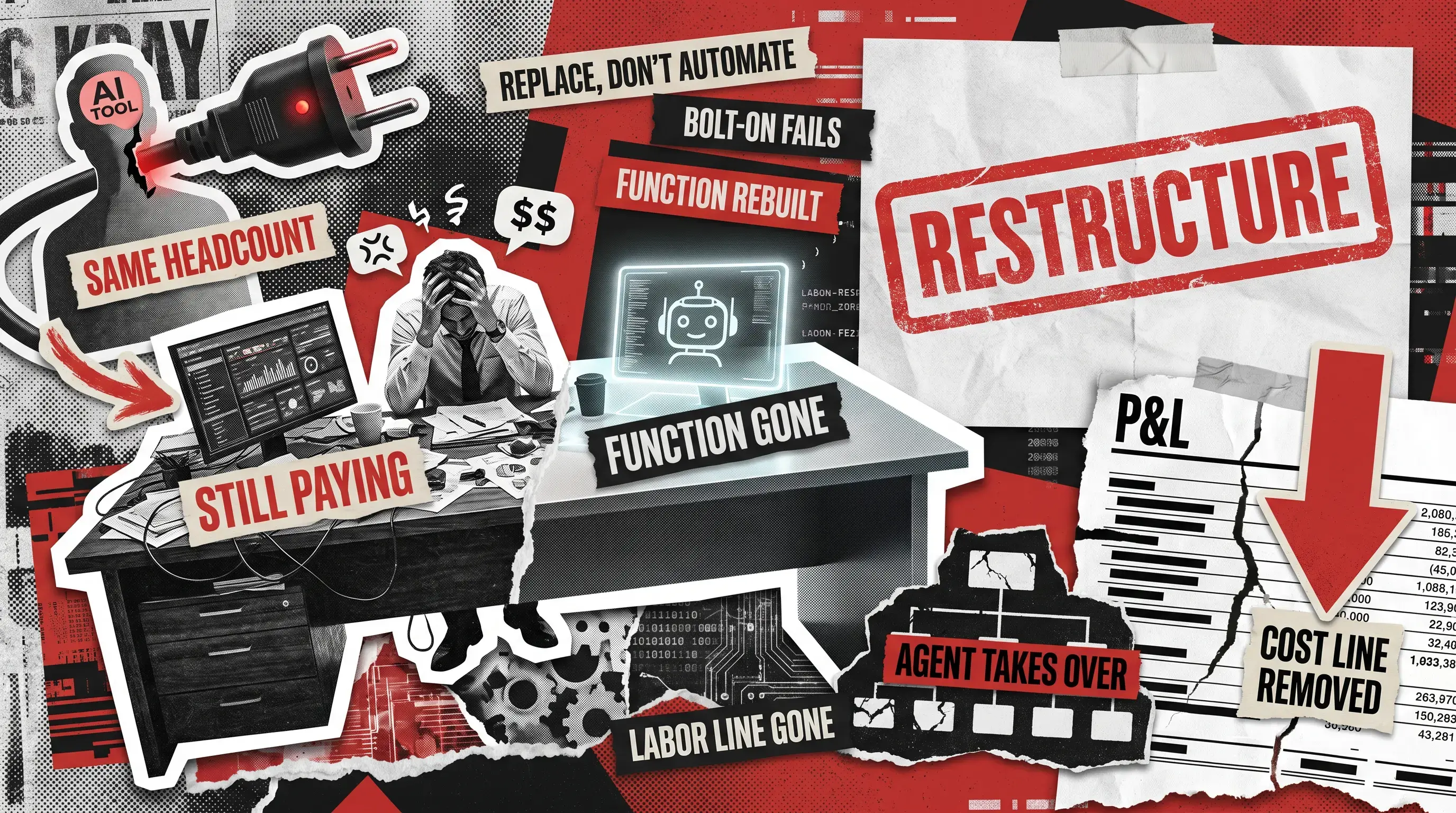
Your costs are climbing from four directions at once, and your board wants the labor line to shrink anyway. Persistent inflation, supply chain disruption, and tariffs are squeezing margins, while every operational hire costs more than it did a year ago. Deloitte found that 95% of retail executives expect global trade policies to push their costs higher this year. You feel it hardest if you run a retailer in the $20 million to $200 million range, with real operational overhead and no enterprise budget to absorb a bad bet.
- July 1, 2026
- 12 min read
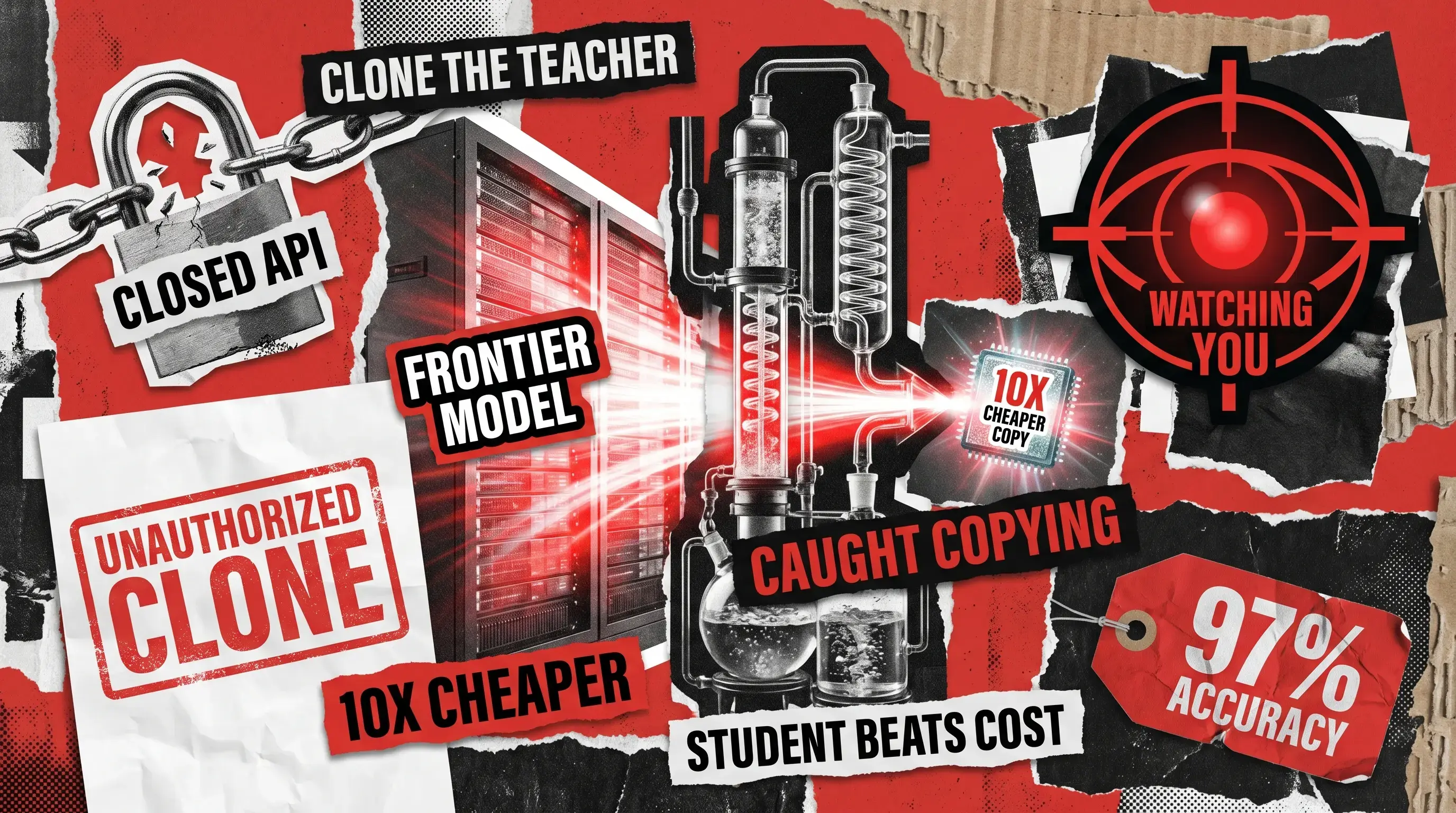
In early 2025, a lab called DeepSeek released models that matched the reasoning of far pricier frontier systems for a training budget that looked like a rounding error, and the AI world collectively lost its composure. One word kept turning up in every explainer: distillation. A year later the topic landed back on the front page when Anthropic reported that several labs had been covertly copying its Claude model at industrial scale, generating over 16 million exchanges with Claude through approximately 24,000 fraudulent accounts.
- June 23, 2026
- 15 min read
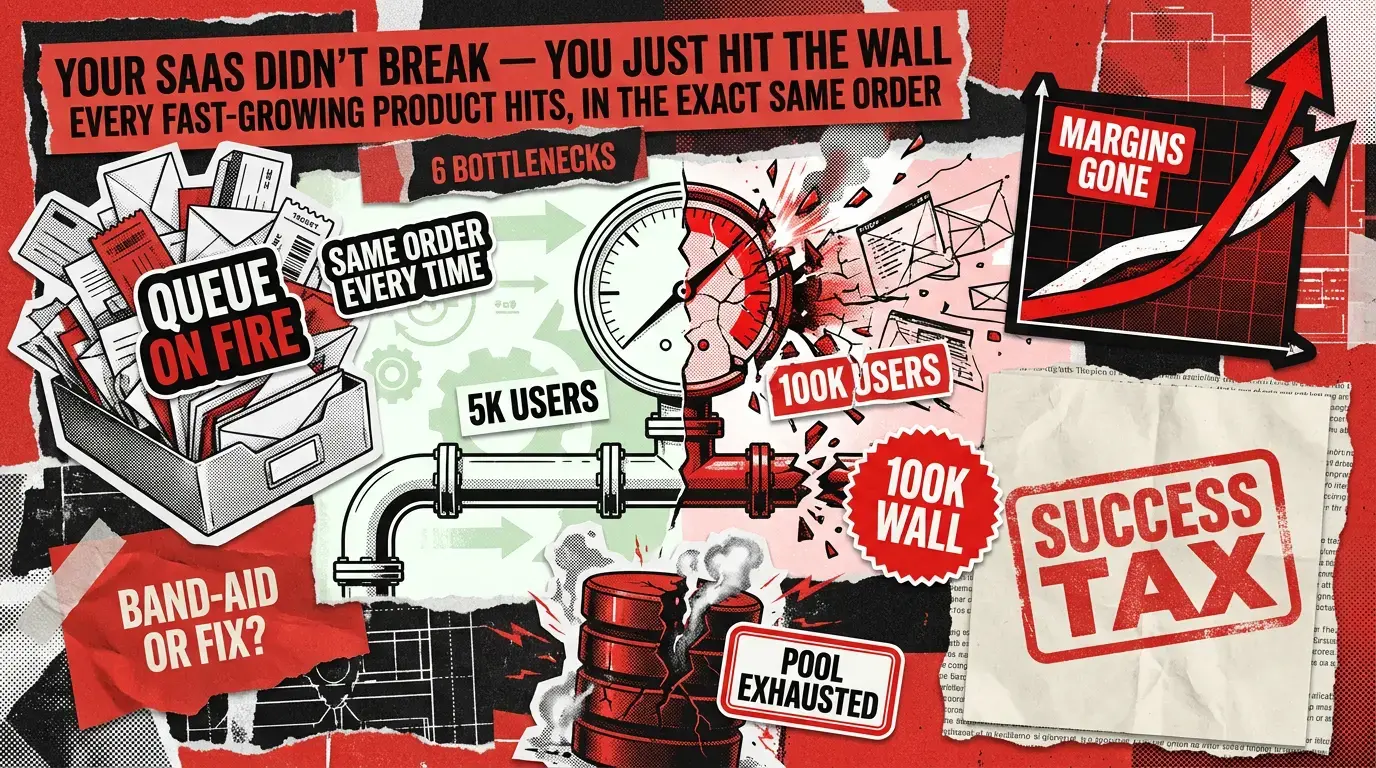
No one warns you about the exact moment when your SaaS success starts to feel a lot like a penalty because the need for scaling a SaaS business often hits you out of the blue. It usually happens overnight: the product that ran like a dream at 5,000 users starts wobbling at 30,000, and by 80,000, it’s officially on life support. Suddenly, your support inbox is a burning dumpster fire, your engineers have abandoned your roadmap to become full-time firefighters, and your infrastructure bill is growing way faster than your bank account.