
- September 10, 2026
- 11 min read
How the dedicated team model works, what drives cost, and how to hire a dedicated development team. A practical guide from 20+ years and 250+ releases.
- September 8, 2026
- 11 min read
A hire AI developers guide for 2026: which role you actually need, vetting questions that expose shipped work, engagement models, and real cost drivers.
- September 3, 2026
- 10 min read
What desktop app development involves, when it beats web or mobile, which tools build for Windows, macOS and Linux, and what really drives the cost.
- September 3, 2026
- 11 min read
How agile software development works in practice, how it compares with waterfall, and what Scrum, Kanban and a two-week sprint ask of your team.
- August 27, 2026
- 13 min read
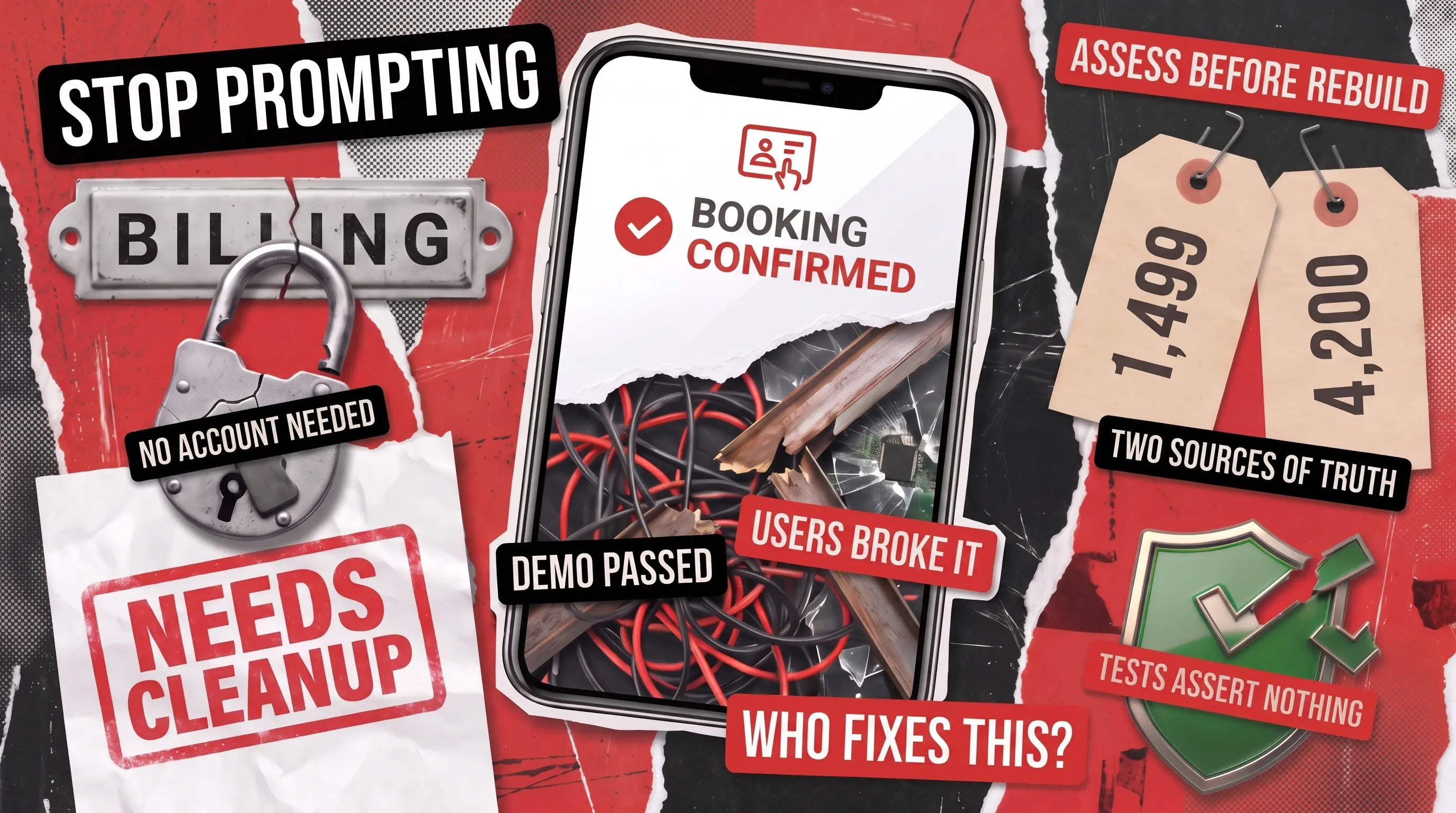
Your vibe-coded app broke. See what a vibe coding cleanup specialist actually fixes, when to hire one, and why it rarely means a full rewrite.
- August 18, 2026
- 14 min read
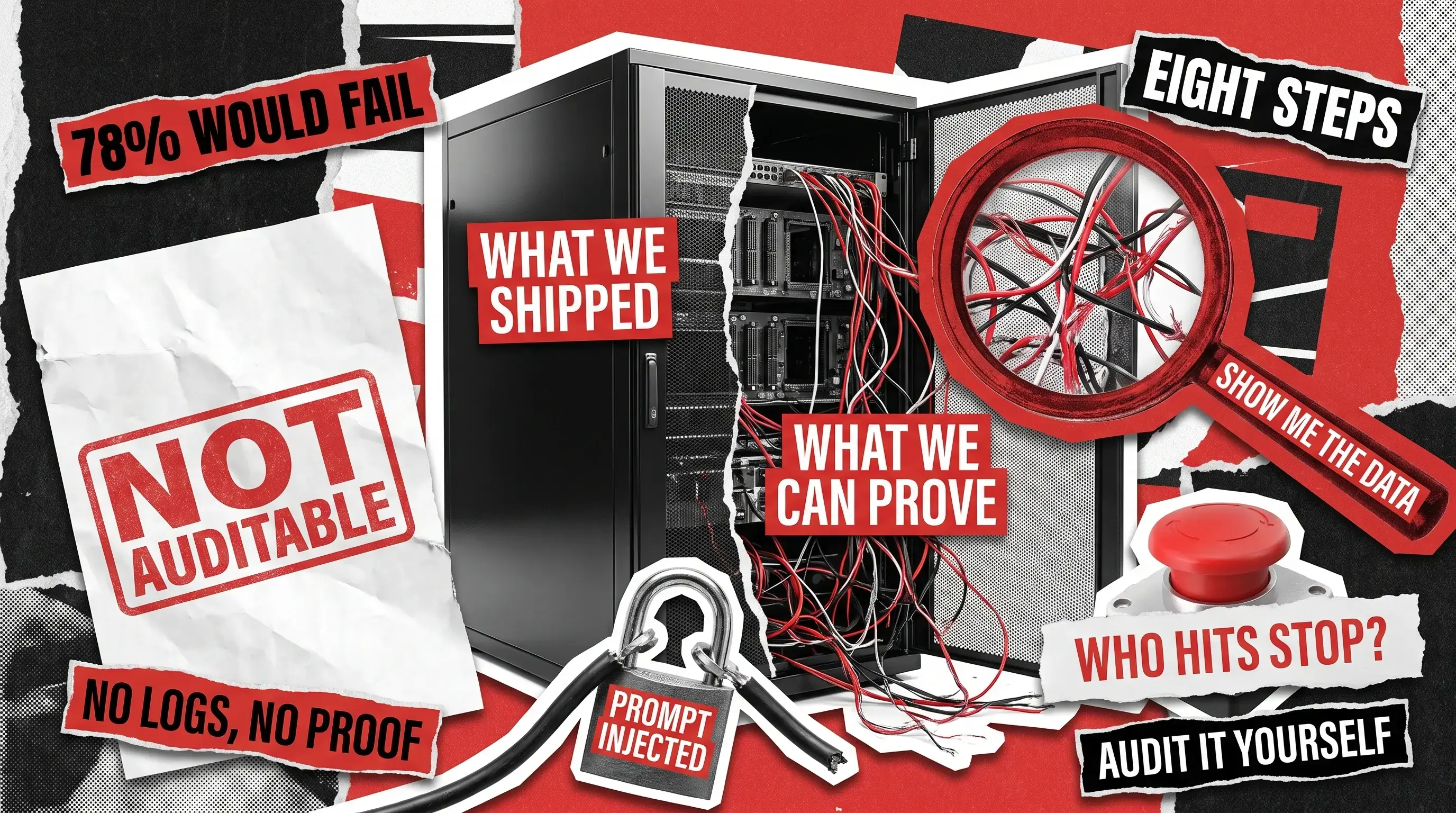
78% of executives doubt they could pass an AI governance audit in 90 days. Here is the 8-step AI audit checklist your team can run this quarter.
- August 6, 2026
- 14 min read
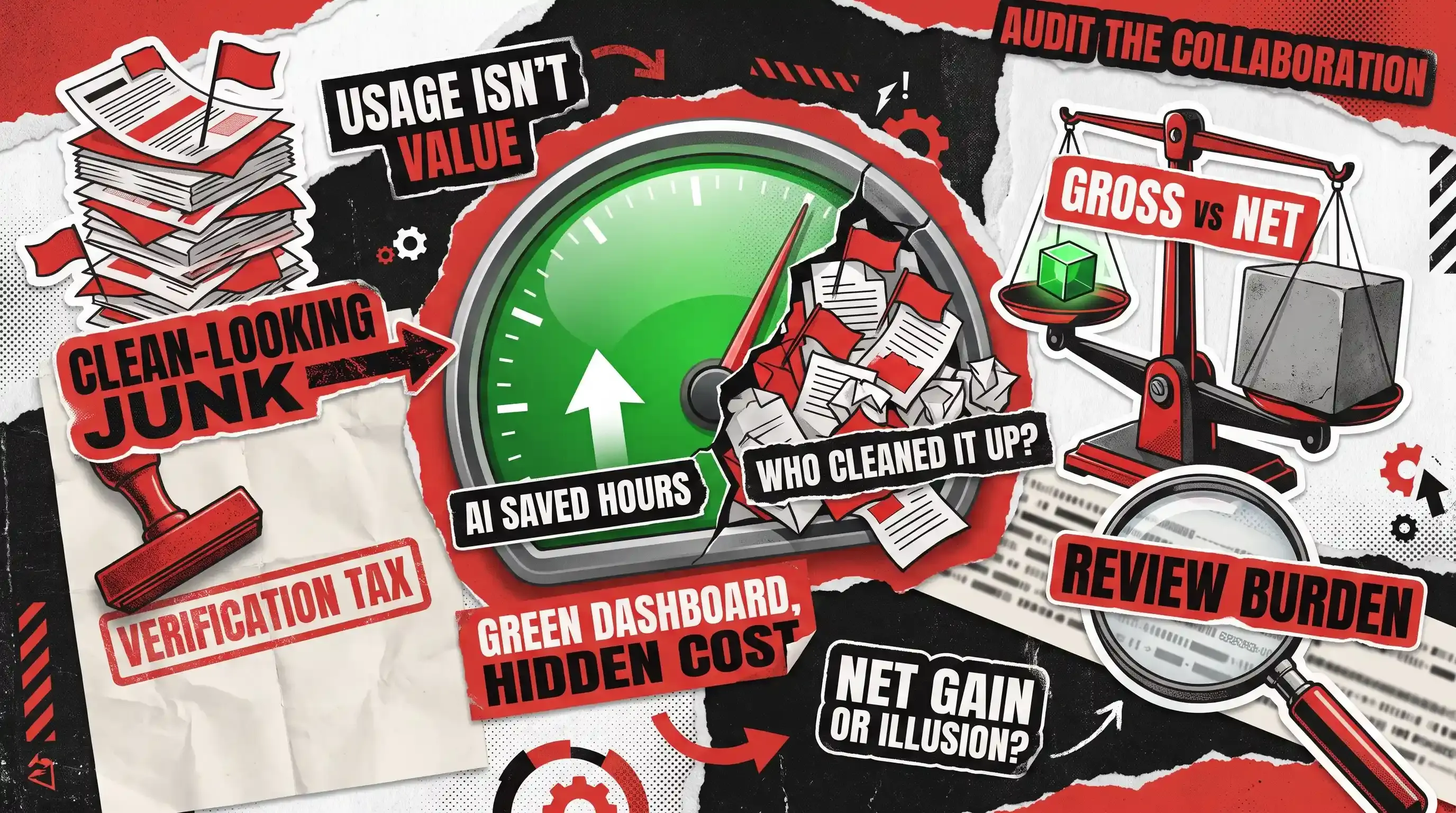
Learn how to run an AI-human collaboration audit: the six metrics that reveal whether AI is genuinely improving your team's work or just adding rework.
- August 4, 2026
- 10 min read
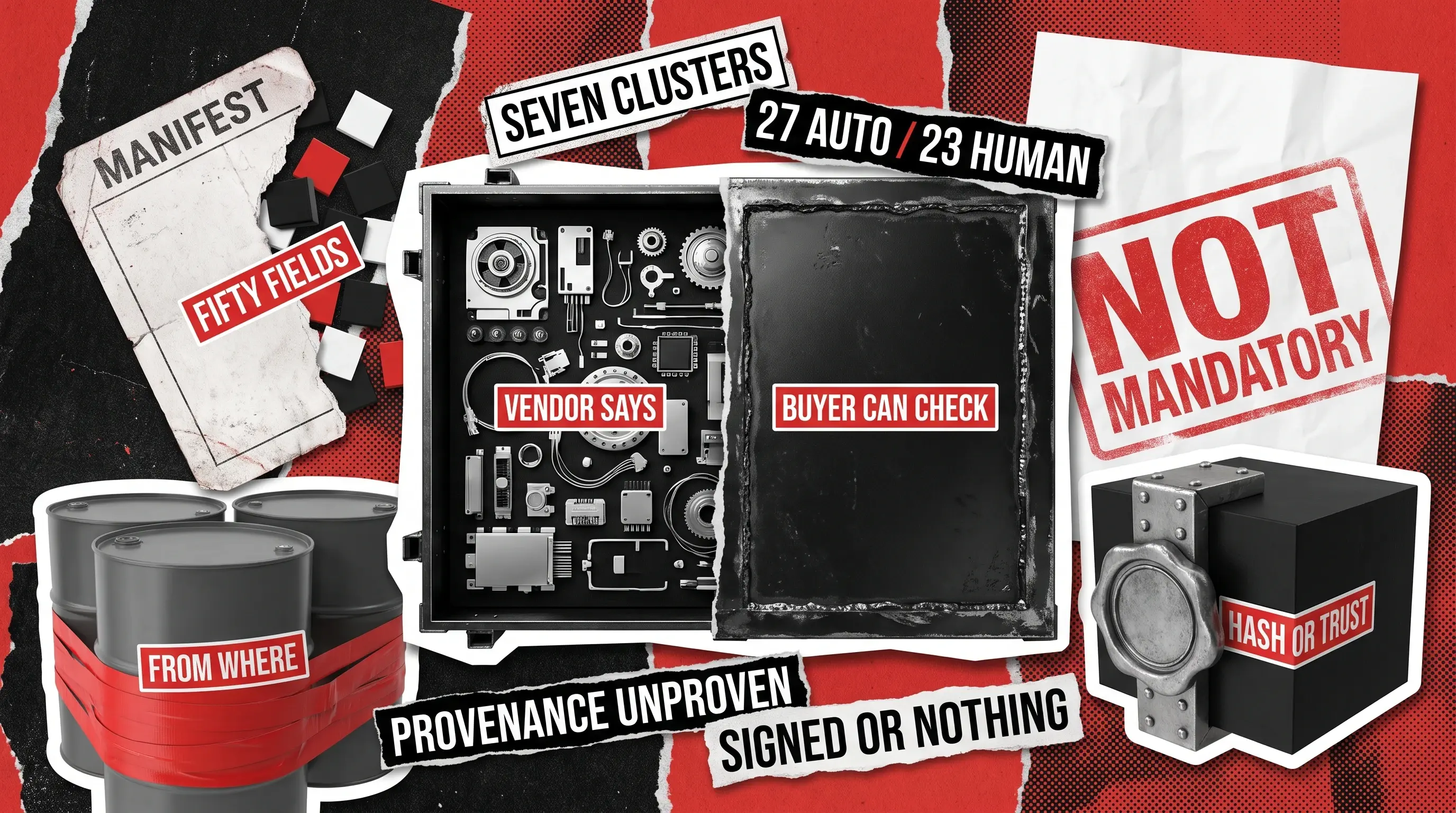
An AIBOM inventories the models, datasets, and infrastructure inside an AI system. Here are all 50 fields, who writes each one, and how to generate yours.
- July 29, 2026
- 9 min read
Data migration best practices as a six-phase playbook for enterprise moves, from discovery to cutover and rollback, so your data lands intact.
- July 28, 2026
- 8 min read
A four-part fit test for internal tools: when vibe coding is safe to use, when it silently fails, and how to draw the line before you scale.