SaaS Product Development: A 7-Stage Playbook from Idea to $1M ARR

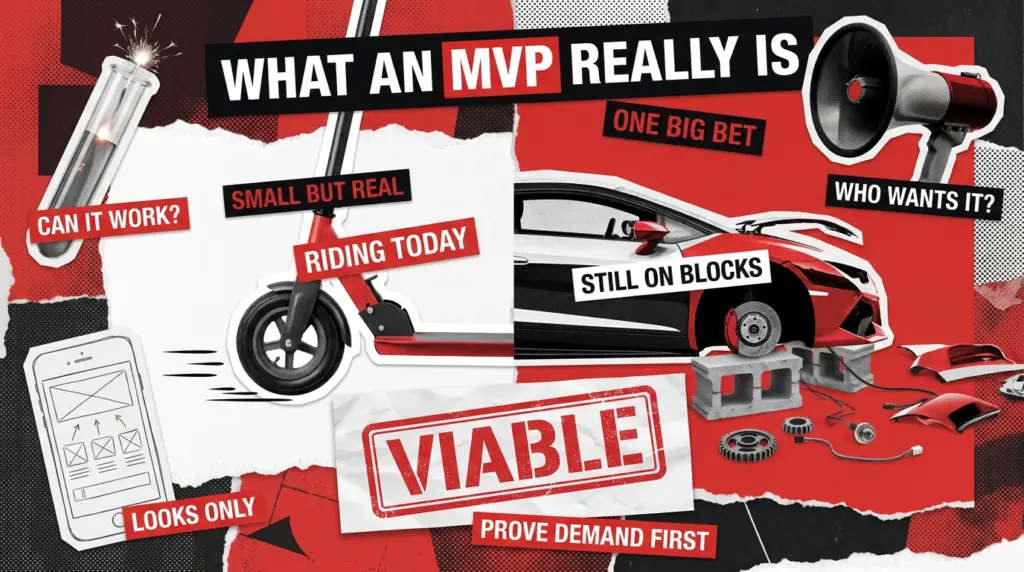
Most SaaS founders fail not because they built the wrong thing technically but because they made the wrong call at the wrong stage. Most often, deadly mistakes come from validating too little before building or building too much before selling.

How Subagents Fix Bottlenecks in Long Claude Workflows

Claude Code has become a serious productivity lever for engineering teams. The gains in the first weeks are usually obvious. What is less obvious is what happens once your team starts using it for longer, more ambitious work: multi-file refactors, large audits, end-to-end feature builds. At that scale, output quality and cost stop tracking the way they did at the start, and the reasons are not always easy to see from a leadership view.

Scaling a SaaS Past 100K Users: 6 Bottlenecks That Show Up in the Exact Same Order

No one warns you about the exact moment when your SaaS success starts to feel a lot like a penalty because the need for scaling a SaaS business often hits you out of the blue. It usually happens overnight: the product that ran like a dream at 5,000 users starts wobbling at 30,000, and by 80,000, it’s officially on life support. Suddenly, your support inbox is a burning dumpster fire, your engineers have abandoned your roadmap to become full-time firefighters, and your infrastructure bill is growing way faster than your bank account.

How to Add AI Features to Your SaaS Without a Rebuild

A competitor just deployed an AI feature. Now your users want one, your board keeps forwarding demos, and an investor wants to know your “AI roadmap” by the next call. You have a product that works and customers who pay for it, and the idea of tearing it apart to bolt on AI feels like trading a real business for a science experiment.

How to Build a Private LLM: Keep Your Data In-House, Cut API Costs, and Own the Model

The road to adopting a private LLM usually starts with a quiet moment of sudden panic. Maybe your legal team suddenly realizes they’ve been casually pasting confidential client contracts into public ChatGPT windows, or your CTO opens the quarterly API bill and feels their soul briefly leave their body, realizing that usage tripled.

Best SaaS Tech Stack: What We’d Actually Pick After 250+ Projects

A trendy tech stack looks great on a resume until it costs you eight months of development time and a complete rewrite. That’s why choosing your SaaS tech stack must be based on your goals and scope, not the trendiest tech at the time.

Boring Micro SaaS Ideas That Print Money: 12 Unsexy Niches Solo Founders Are Winning in 2026

Building a tech startup in 2026 feels a bit like entering a crowded room where everyone is screaming the word “AI” at the top of their lungs. Open any startup ideas list and you’ll drown in the same shiny noise: 100 AI agent ideas, ChatGPT wrapper goldmines, the next billion-dollar vertical. Most of it is just overhyped guesswork. Meanwhile, a quieter crowd of solo founders is making real money building software so unsexy you’d scroll right past it: there’s no virality and no hype here, just boring problems that businesses pay for every month.

Building Apps with AI: How SMBs Are Going Custom in 2026

For years, custom software was a luxury reserved for enterprises with deep pockets. Small and midsize businesses were stuck choosing between off-the-shelf SaaS that almost fit, or expensive consultancies that almost delivered on time. That gap just closed.

6 Claude API Examples Your Business Can Use to Automate Processes Right Now

Most articles about Claude API examples give you the same three use cases: write emails faster, generate marketing copy, and answer customer questions with a chatbot. You’ve seen that list, and quite likely, it’s not the one you need.

ASP.NET Code Review Checklist: Security, Performance & Maintainability

Enterprise software tends to remain in production for a long time. It’s particularly true for ASP.NET and ASP.NET Core, which are common in long-lived enterprise systems, especially in Microsoft-centered environments. According to statistics, roughly 40% of enterprises run at least one critical ASP.NET application, and will keep doing that for years to come, so code review needs to account for framework support, security patching, maintainability, and operational risk.

Page