
- September 24, 2026
- 10 min read
Proof of concept in software development, explained simply: what a PoC tests, how it differs from a prototype and an MVP, and when you actually need one.
- September 23, 2026
- 10 min read
IoT in agriculture, planned right: compare LoRaWAN, NB-IoT and satellite, pick field sensors, and fix the power and data gaps pilots never reveal.
- September 21, 2026
- 12 min read
What is software development? The real process, step by step, plus the engagement models and cost drivers buyers need before picking a team.
- July 23, 2026
- 10 min read
Public sector leaders are caught between two forces pulling in opposite directions. On the one side, citizens now expect a tax portal to feel as smooth as their banking app. However, budgets stay flat, and a large share of the systems running the show were built before smartphones existed.
- July 15, 2026
- 9 min read
A bug caught in code review costs minutes. The same bug caught after a Play Store rollout costs your crash-free user rate, your store ranking, and sometimes your weekend. Google reduces the visibility of any app that crosses a 1.09% user-perceived crash rate, which makes the review the last quiet checkpoint before that exposure goes public.
- June 23, 2026
- 9 min read
Most engineering teams delivering a SaaS product believe their webhook layer is safe the moment the signature check passes. That belief is the gap. Webhooks are the quiet plumbing behind payments, provisioning, notifications, and integrations, and they sit on a publicly reachable URL that an attacker can reach as easily as you can. According to Verizon's 2026 Data Breach Investigations Report, third-party involvement now drives 48% of all breaches, up 60% year over year. Webhooks live exactly in that third-party seam.
- June 23, 2026
- 11 min read
A model distillation attack does not need to break into your systems because you handed over the key the moment you opened your API to the public. Your competitor's cheapest route to a model like yours might be your own product, queried thousands of times until a smaller copycat learns to answer the way yours does. In your logs, it looks like a busy customer, but to your business, it’s a slow leak of the AI capability you spent real money and many months building.
- June 23, 2026
- 16 min read
Most SaaS founders fail not because they built the wrong thing technically but because they made the wrong call at the wrong stage. Most often, deadly mistakes come from validating too little before building or building too much before selling.
- May 14, 2026
- 8 min read
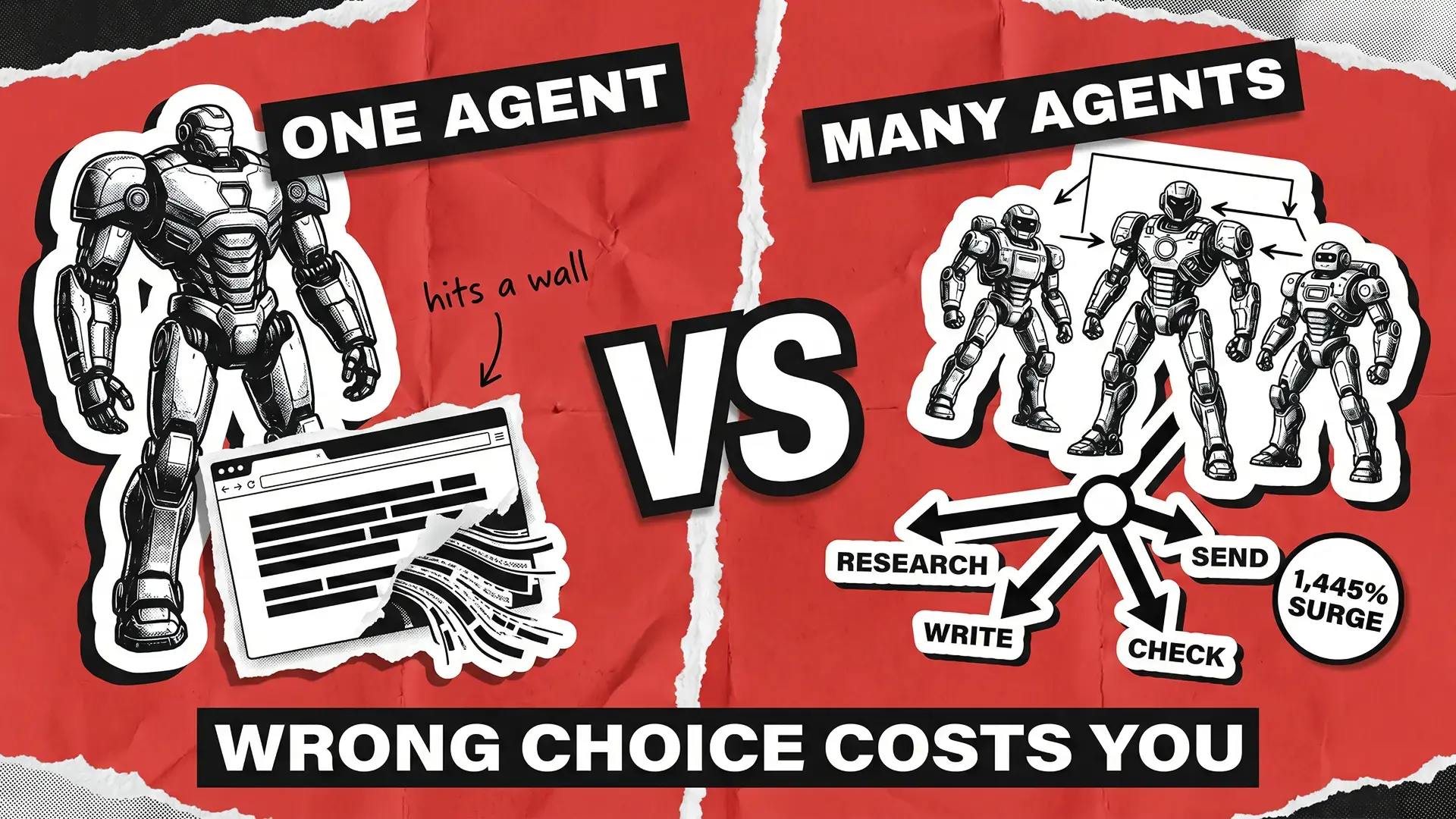
Every business owner eventually asks us the same question: single AI agent or multi-agent AI system? And every time, the answer is also the same: it depends on what you are building, not on what sounds more impressive.
- May 14, 2026
- 11 min read
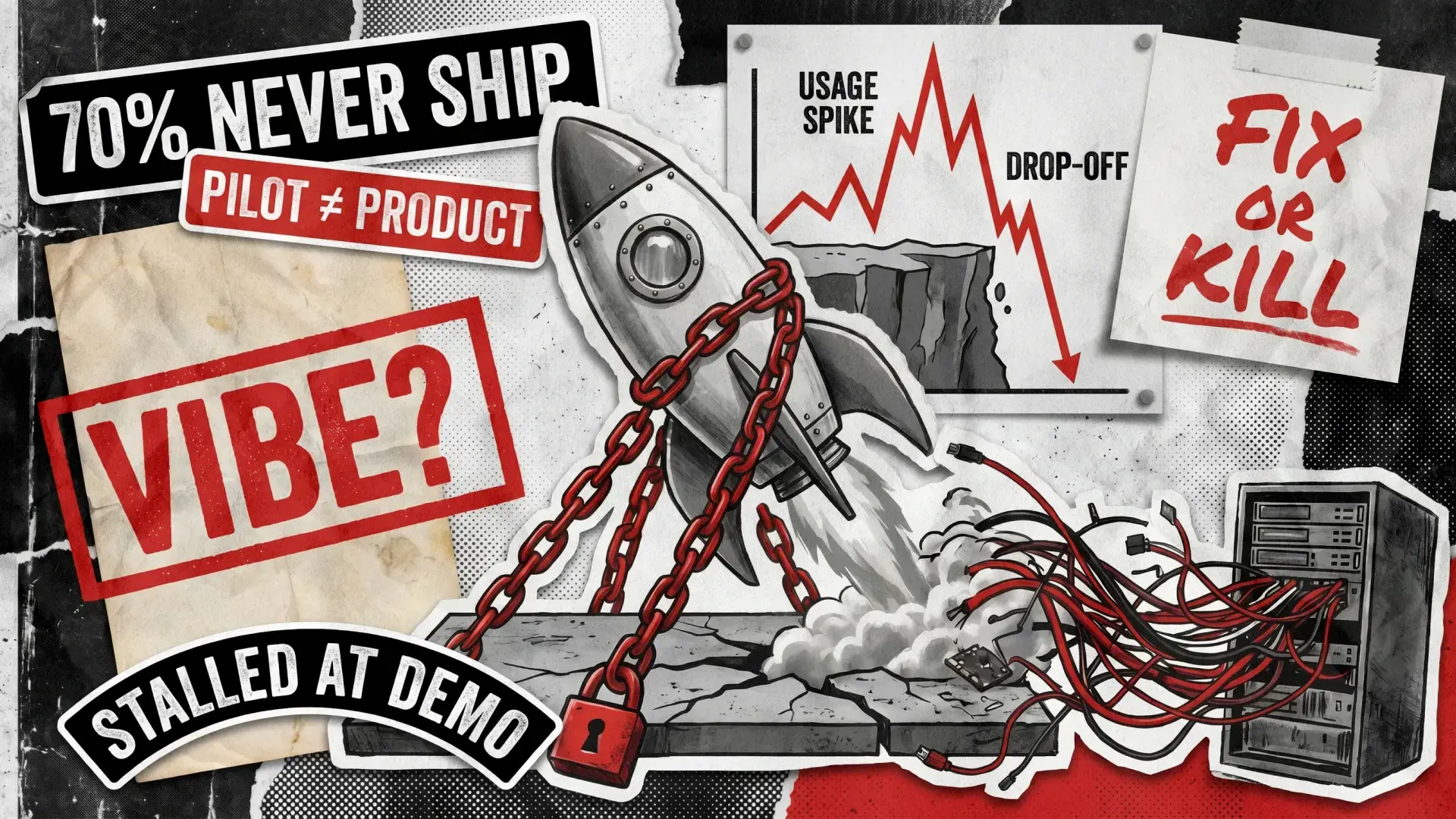
These days, getting a basic language model wrapper up and running is pretty easy. But turning that prototype into something secure and scalable across your company is astonishingly difficult. The upside is that most corporate AI projects fail for predictable reasons, not a single big mistake. This article shares a 7-step AI implementation audit you can use to get a stalled pilot back on track.