Tired of watching competitors innovate and truly lead with AI? Our AI software development services turn your vision into undeniable market advantage.
Too many AI projects never get off the ground—not because of bad ideas but because of poor execution. We consistently see the same issues: vague goals, unusable data, brittle models that don’t scale, or internal teams lacking AI-specific know-how.
At Redwerk, we make AI work in the real world.
As your trusted artificial intelligence development company, we guide you through every step, from strategy and AI app development to post-launch optimization. We cut through the hype to deliver high-performing AI that truly brings measurable results.
Grow Faster With Our AI Development Company
Artificial intelligence development services cover the path from processing raw data to creating a model that runs in production. Redwerk engineers handle data preparation, model selection, training, and deployment. After this, our team can continue to monitor the product to ensure accuracy does not drift after launch. This service is a specialized branch of software development where the system learns from your data instead of following hand-written rules. We can deliver these AI software development services across that entire lifecycle or break them into the focused areas below, so you can start wherever your project needs the most help.
AI Agent Development
Redwerk AI engineers will help you build autonomous agents for customer support, sales, research, operations, and more—from single bots to multi-agent systems.
Learn More
AI-Assisted Development
Let us help you speed up engineering with code-generating AI copilots and smart automation tailored to your stack.
Learn More
LLM Development
Hire our artificial intelligence developers to develop custom large language models (LLMs) tailored to your domain and customer base, ensuring accurate, contextual responses.
Learn More
Vibe Code Cleanup
Build rapid prototypes with confidence, knowing we’ll refine your code to ensure it’s scalable and secure. We turn your vibe-coded apps into a reliable foundation to move your business forward.
Learn More
AI Automation
Improve your business processes with smart technology. We build custom AI automations that handle your routine processes, helping you scale quickly without extra stress.
Learn More
LLM Fine-Tuning
Turn generic models into specialists trained on your data. We pick the right approach, prep a clean dataset, and preserve the model’s core strengths, so you get accurate output without prompt gymnastics.
Learn More
AI Workforce Transformation
Delegate routine work to AI agents and free your team to focus on what truly requires human judgment. We audit your workflows, define agent roles, and manage costs, so you scale output, not headcount.
Learn More
Model Distillation
Shrink large, costly models into fast student models that keep the quality you rely on. We validate the case, build the pipelines, and ship a production-ready model that slashes your inference bill.
Learn More
AI Custom Software Development
Custom software is no longer an enterprise luxury. We use modern AI tools and expert engineering to build hyper-personalized apps, making bespoke development accessible, secure, and affordable for SMEs.
Learn More
RAG Development
Turn your scattered internal data into a reliable AI tool. We build custom RAG systems that deliver accurate, cited answers from your documents, boosting team productivity and cutting support costs.
Learn More
Selected Cases
Explore our clients’ success stories in AI and ML adoption.
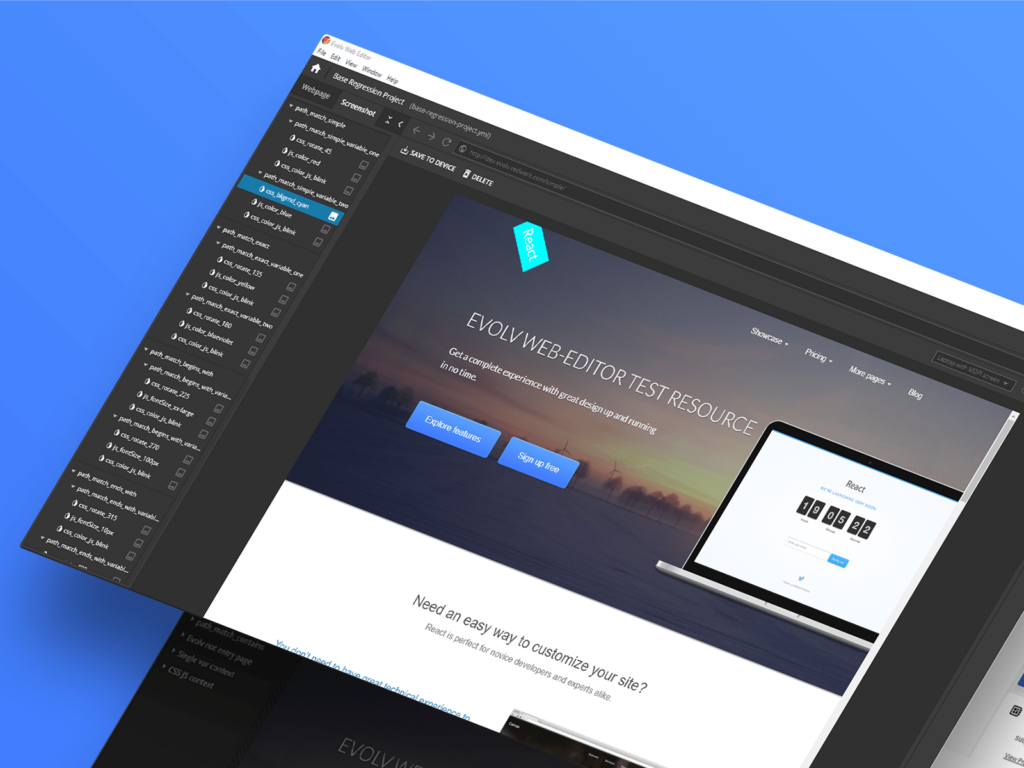
Evolv
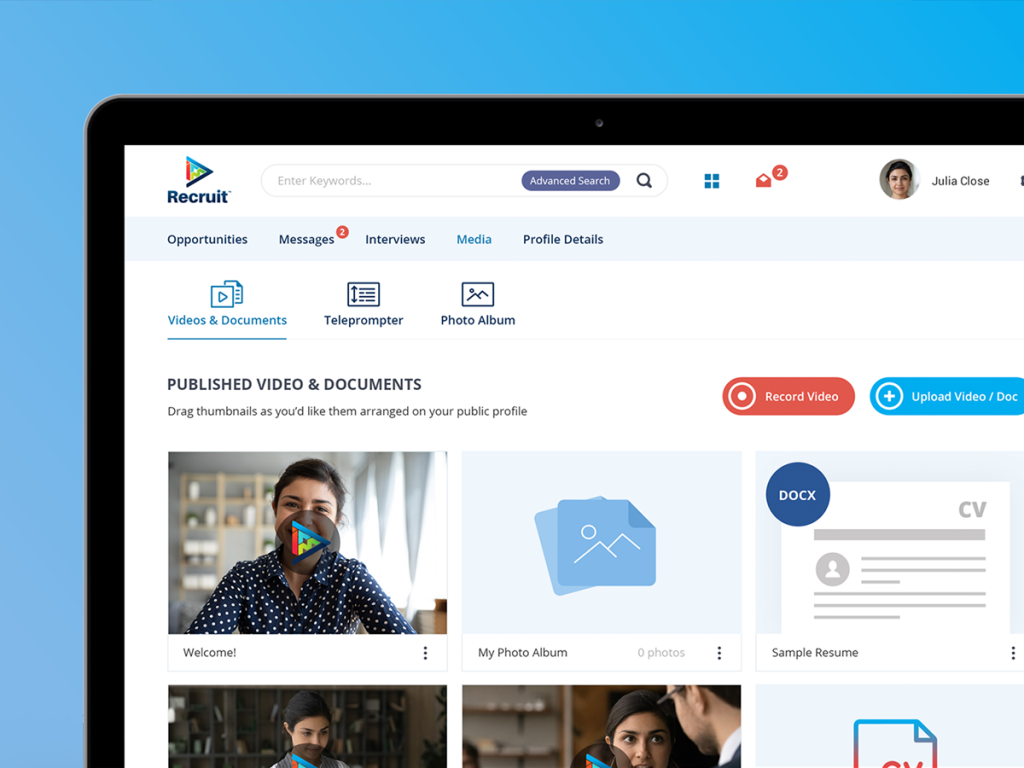
Recruit Media
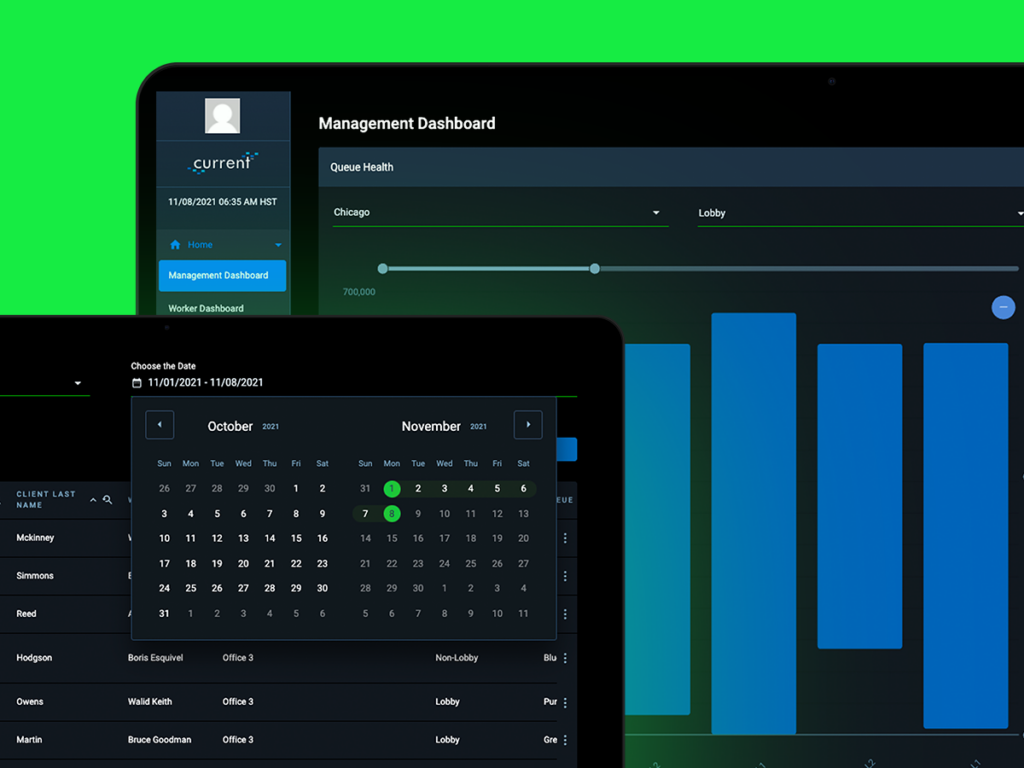
Current
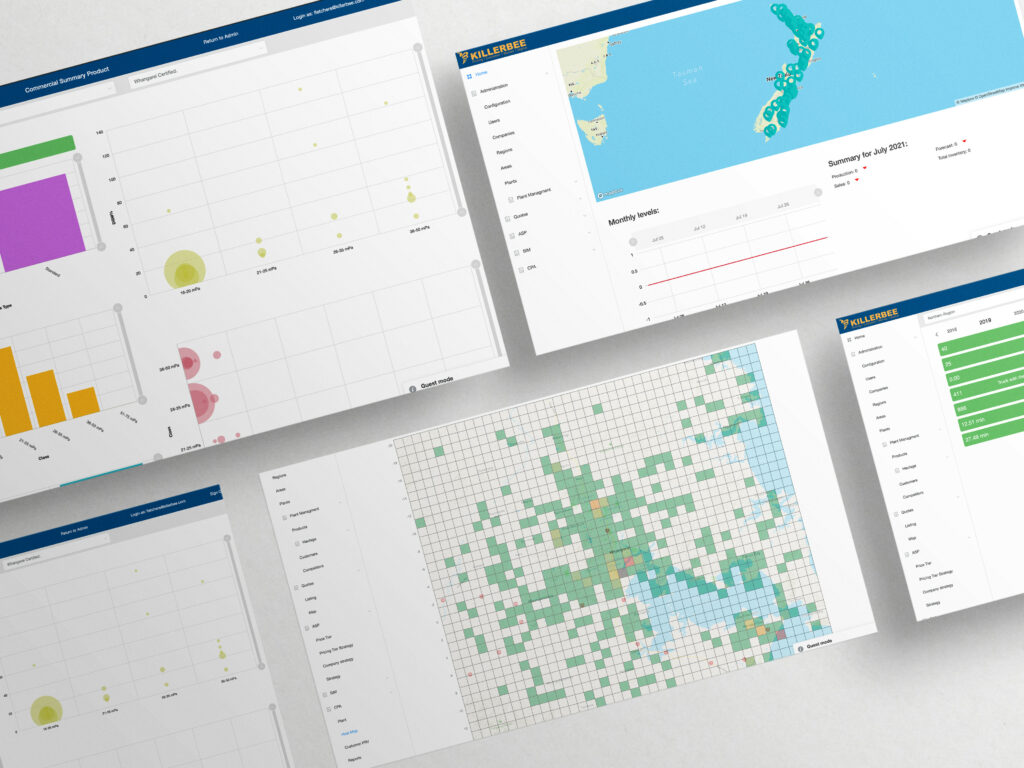
KillerBee
Looking for a custom AI development company?
Contact UsFull-Stack Artificial Intelligence Services and Solutions
From data preparation to model fine-tuning, we offer end-to-end AI solutions grounded in years of experience.
Data Collection & Preparation
Use our AI development services to gather, clean, and structure your data for peak AI model performance. Expect quality datasets that yield accurate predictions and actionable insights.
Algorithm Development
As an AI software development company, we specialize in designing custom algorithms perfectly tailored to your use cases. We optimize for accuracy, speed, and scalability.
Model Selection & Design
Our AI development solutions focus on selecting and designing the ideal AI model for your exact use case, so you only pay for the complexity you truly need.
Training & Testing
We rigorously train and test your artificial intelligence solution to ensure accuracy, reliability, and peak performance before deployment.
Monitoring & Optimization
We provide continuous monitoring and optimization services to ensure your AI software solutions keep learning, adapting, and staying relevant long after launch.
Custom AI Solutions
Need something niche? When you choose custom AI development with Redwerk, we’re with you from concept creation through to deployment and long-term maintenance.
Our Artificial Intelligence Development Expertise
Machine Learning
As an established machine learning software development firm, we build models that learn from your data to forecast trends, detect fraud, automate decisions, and optimize performance. Our AI/ML development services cover supervised, unsupervised, deep, and reinforcement learning.
Natural Language Processing
Our AI application development services include working with NLP models that understand and generate human language. From chatbots and voice assistants to sentiment analysis and document classification, we help you deliver smarter user interactions.
Computer Vision
Redwerk has gained deep expertise in image and video analysis. Our AI software development services include image recognition, object detection, facial recognition, and video analytics. Ideal for healthcare, retail, manufacturing, and smart surveillance.
Robotics & Automation
We offer AI and machine learning services that power both physical robots and digital workflows. From autonomous vehicles and warehouse robots to AI-enhanced robotic process automation (RPA) bots, we build intelligent systems that automate with precision.
Predictive Analytics & Data Mining
With our artificial intelligence software development services, you’ll make better decisions, faster. We turn your historical data into potent predictive models for churn reduction, demand forecasting, and risk analysis, built on scalable AI and strategic development.
Generative AI
As an experienced AI app development company, we specialize in creating powerful systems that generate new content, code, and designs. We fine-tune large language models and build innovative AI tools specifically for forward-thinking companies like yours.
AI Software Development Solutions for Your Industry

Use AI to personalize recommendations, predict demand, prevent fraud, and automate customer service.

Implement AI for diagnostic support, personalized treatment plans, drug discovery, and efficient management of patient data.
Integrate AI for predictive maintenance, quality control, supply chain optimization, and automation of production processes.

Optimize routes, manage fleets, predict maintenance needs, and improve supply chain efficiency with AI-driven solutions.

Create AI tutors, adaptive learning paths, and intelligent content recommendations for personalized student experiences.

Streamline public services, automate citizen interactions, forecast staffing needs, and improve the efficiency of government operations.
Why Choose Redwerk as Your AI Services Provider
 AI/ML Track Record
Redwerk has delivered 250+ projects since 2005. We’ve built AI-driven A/B testing platforms, ML-powered recruiting tools, and demand forecasting engines for government agencies.
 Senior-Level Expertise
Our team consists of over 90 senior software engineers, all experts in AI and ML. We develop artificial intelligence software that truly lasts, not just impressive demos for investors.
 Project Rescuers
We’ve taken over projects failed by other AI services providers. We know how to fix codebases, rebuild architectures, and get them live. We don’t blame; we deliver.
 Trusted Globally
We’re proud to be on IAOP’s Global Outsourcing 100. Our clients win awards. Our startups get acquired. Our code gets shipped to millions of users.
 End-to-End Partner
We handle every step: from strategy and build to launch, monitoring, and ongoing improvement. We’re the AI development company you can rely on.
 Business Aligned
Our team knows how to align AI with your goals, timeline, and budget. We’ll tell you if you don’t need AI and suggest the right tech instead.
There's a real commitment to get the task done in a timeframe that is expected. The quality of the work is very high. I would certainly recommend working with Redwerk's team.


Having worked with many external service providers in my professional life so far, I can clearly say that Redwerk comes out on top. Redwerk’s customer-facing team is very professional, and besides that, it’s also fun to work with.
We turned to Redwerk because we did not have the resources or the expertise in-house to build a cloud-based product. They're incredibly professional, responsive, and highly communicative. We launched the product last year, and we're still doing business with them. I'd recommend them in a heartbeat.
Artificial Intelligence Software Development Tech Stack
Libraries & Frameworks
FAQ
What AI development services does Redwerk offer?
Redwerk offers comprehensive artificial intelligence development services, data collection and preparation, algorithm development, model selection and design, training and testing, monitoring and optimization, and custom AI solutions.
What AI technologies do you specialize in?
We work with machine learning, NLP, computer vision, generative AI, and automation across various stacks and platforms.
How much does custom artificial intelligence development cost?
The cost of AI development solutions varies based on project complexity, data requirements, model sophistication, and integration needs. Simple AI features may take weeks to develop, while enterprise-grade solutions can require several months. Contact us for a customized quote tailored to your specific requirements.
Do you provide post-launch support?
Yes, we provide ongoing post-launch support and optimization services to ensure your AI software products continue to perform effectively and adapt to evolving needs.
Can you integrate AI into my existing software?
Yes, we specialize in embedding AI into CRMs, ERPs, CMSs, and other custom enterprise platforms.
How do you ensure artificial intelligence model accuracy?
Our artificial intelligence development services ensure accuracy through rigorous data prep, testing, continuous training, and real-world validation against defined success metrics.
Related in Our Blog
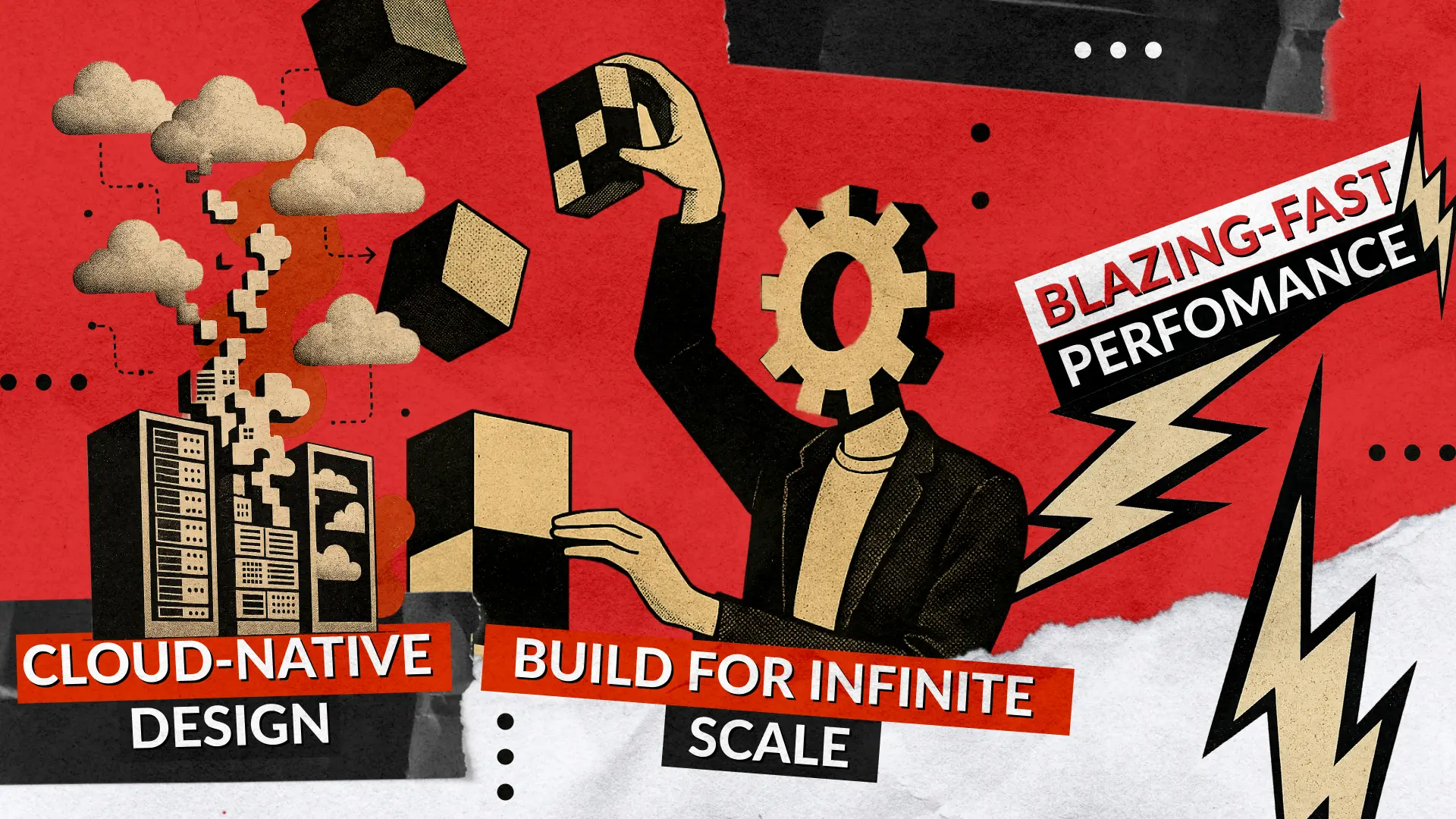
10 Key Principles for Building Scalable Software Architecture and Long-Term Growth
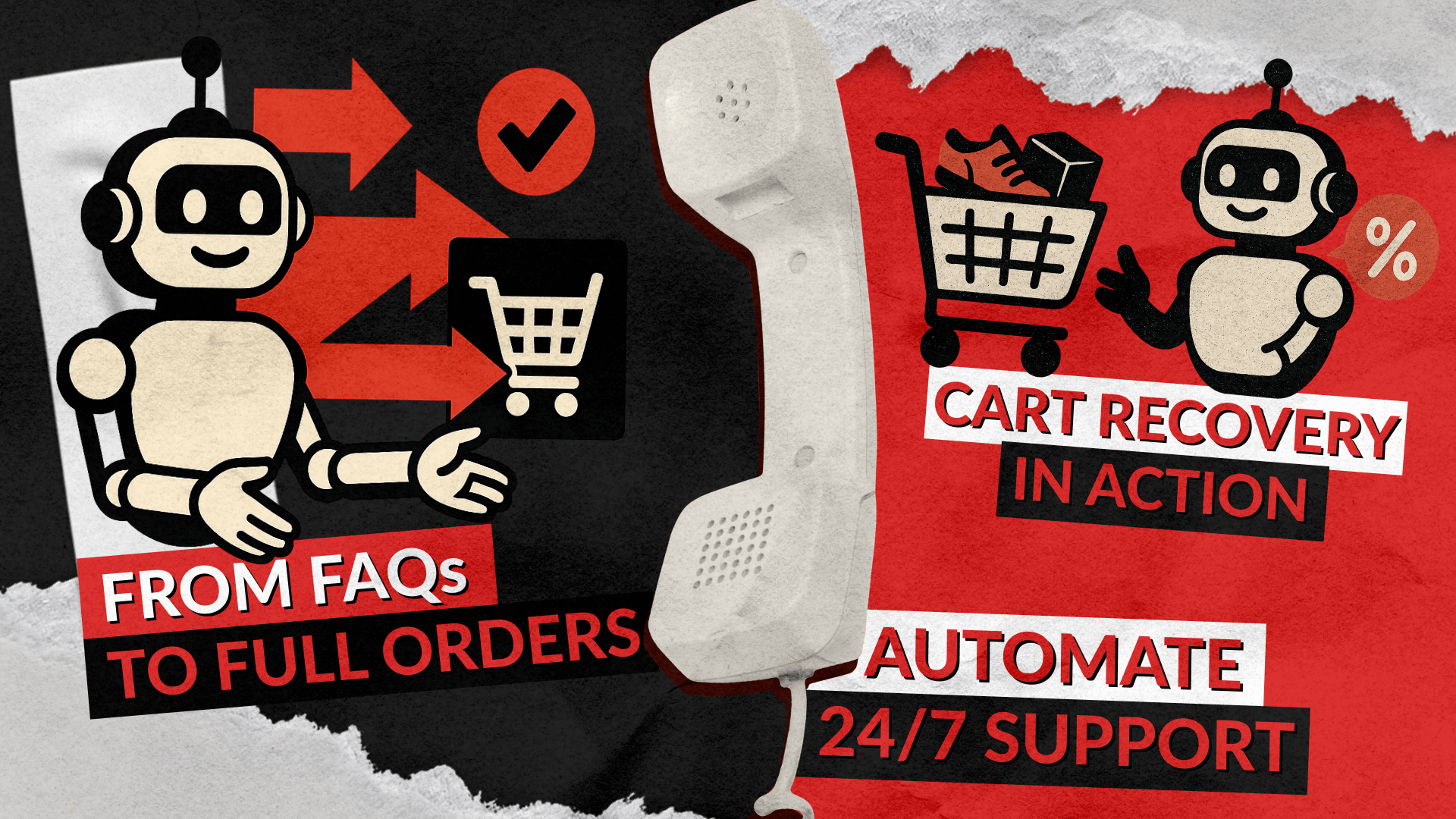
AI Chatbots for E-Commerce: The ROI of Implementing AI for Customer Service
Need expert help to launch your AI project?
Connect with our AI specialists now and make it happen!
90+
AI PROFESSIONALS65%
COLLABORATIONS THATBECAME LONG-TERM
170+
CLIENTSWORLDWIDE
773M
USERS OF SOLUTIONSWE’VE DEVELOPED