Building a tech startup in 2026 feels a bit like entering a crowded room where everyone is screaming the word “AI” at the top of their lungs. Open any startup ideas list and you’ll drown in the same shiny noise: 100 AI agent ideas, ChatGPT wrapper goldmines, the next billion-dollar vertical. Most of it is just overhyped guesswork. Meanwhile, a quieter crowd of solo founders is making real money building software so unsexy you’d scroll right past it: there’s no virality and no hype here, just boring problems that businesses pay for every month.
This is a guide to micro SaaS done the unglamorous way. We’ll walk you through 12 profitable micro SaaS ideas 2026 that real companies are already running, with revenue ranges, the stack each shipped on, how fast they earned their first dollar, and the durable advantage that keeps competitors out. If you’re an entrepreneur hunting for micro SaaS examples that actually resonate, this list is for you, and if one of them outgrows you later, that’s where custom SaaS development services come in.
Why Boring Micro SaaS Wins in 2026
Boring is a competitive advantage, and the numbers back it up. According to McKinsey, there are roughly 34.7 million small businesses in the United States, making up 99.9% of all American companies and employing nearly 60% of the workforce. That’s a staggering long tail of operators running on spreadsheets, sticky notes, and software that looks like it was designed in 1999.
The opportunity gets sharper when you look at who’s underserved. McKinsey also found that U.S. small and mid-sized enterprises are only about half as productive as large companies, and adopt tools like CRMs and AI at roughly half the rate of big firms. This means millions of tiny businesses still have unsolved, repetitive, money-leaking workflows. Those gaps are exactly where a focused tool, particularly one utilizing AI automation, wins.
Additionally, development costs have dropped drastically. Solo founders made up roughly 36% of all startups incorporated in 2025, according to Carta’s Founder Ownership Report, and AI-assisted tooling means one person can ship a working product in weeks instead of a year.
And if hunting for a technical co-founder feels like too much, you don’t have to do it all solo: at Redwerk, we offer AI custom software development for hyper-personalized, affordable apps. The combination of massive, untapped niche markets and low entry barriers explains why micro SaaS business ideas 2026 differ drastically from the venture-backed startup models typically seen online.
12 Profitable Micro SaaS Ideas 2026 That Print Money
Not every small niche is a good niche, so it helps to know what you’re actually looking for. The best micro SaaS opportunities share a profile: a painful, recurring, money-adjacent task that a specific type of business has to do whether they like it or not. The pain is real, the audience is reachable, and the customer treats your tool as plumbing rather than a nice-to-have. That last part matters, because plumbing doesn’t get cancelled when budgets tighten.
Before you fall in love with an idea, it’s worth understanding the hidden costs of MVP development so the math still works when you have 50 paying customers depending on you. Don’t confuse “boring” with “easy.” It still takes work, but it actually survives.
1. HVAC Dispatch for Sub-10-Truck Operations
Enterprise field-service platforms are built for fleets of hundreds, and they price (and overwhelm) accordingly. A small heating-and-cooling shop with four trucks just wants to assign jobs, text technicians, and stop double-booking. That neglected middle is fertile ground for a lightweight dispatch and scheduling tool.
- Operator & Tech Stack: An estimated $8,000–$20,000 MRR is realistic for one developer, with a tool built on React, a managed Postgres database, and Twilio for the text alerts technicians depend on.
- Time-to-First-Dollar: Around two months, usually won by cold-calling local shops the founder already knows.
- The Boring Moat: Once a shop runs its daily dispatch through your tool, nobody wants to switch mid-season. That workflow lock-in is exactly how early field-service apps like FieldPulse grew before they scaled.
2. RV Park and Campground Reservation Systems
The RV and outdoor-recreation boom left thousands of small parks juggling bookings by phone and paper calendar. They need site maps, deposits, seasonal rates, and a simple way to stop double-booking lot 14 over the long weekend. It’s a tidy, recurring problem with very low churn once a park is set up.
- Operator & Tech Stack: An estimated $10,000–$30,000 MRR from a no-code or low-code front end, Stripe for payments, and a hosted database.
- Time-to-First-Dollar: About six weeks, since owners desperate to stop double-bookings sign up fast.
- The Boring Moat: Parks rarely switch mid-season, and once payments flow through your system the switching cost climbs, the same stickiness that built reservation platforms like RoverPass.
3. Dental-Practice Payroll and Production Reconciliation
Dental offices run on production numbers, hygienist splits, and provider pay that general payroll tools handle badly. Reconciling who produced what, and what each person is owed, eats hours every pay period. A niche software tool that actually understands how a dental office works is something clinic managers will gladly pay good money for.
- Operator & Tech Stack: At $99–$199 per office, a few hundred practices add up to an estimated $12,000–$35,000 MRR; a fast first build hardened into a stable Rails or Node app, plus accounting integrations, does the job.
- Time-to-First-Dollar: Roughly two months, typically through dentists in the founder’s own network.
- The Boring Moat: Once your tool plugs into a practice’s accounting and payroll, switching risks a botched paycheck, which is why dental-specific platforms like Dental Intelligence keep customers for years.
Speaking of fast first builds, an AI-scaffolded MVP is great but it accrues technical debt quickly. If you start that way, plan for vibe code maintenance before a paying customer finds the bug you didn’t.
4. Compliance Tracking for Independent Insurance Agencies
Independent insurance agencies live and die by license renewals, continuing-education credits, and carrier appointment paperwork. Miss a deadline and you can lose the right to sell a product. A simple dashboard that tracks every producer’s status and nudges them before things lapse is the kind of unsexy tool agencies happily pay for.
- Operator & Tech Stack: An estimated $9,000–$25,000 MRR from a dashboard built on React, Postgres, and scheduled email and SMS reminders.
- Time-to-First-Dollar: Roughly seven weeks; agencies feel the pain immediately and pay to remove it.
- The Boring Moat: A lapsed license can stop an agency from selling, so the tool becomes insurance against disaster, the same compliance lock-in behind producer-licensing platforms like AgentSync.
5. Route Optimization for School-Bus Contractors
Small school-bus contractors, the ones running 8 to 40 buses under district contracts, still plan routes in spreadsheets. They need simple tools to map out stops, track students, and generate compliant reports for the school district. It’s deeply unglamorous and almost invisible to the broader tech world, which is the point.
- Operator & Tech Stack: An estimated $10,000–$28,000 MRR using a mapping API, a multi-tenant web app, and clean PDF reports districts will accept.
- Time-to-First-Dollar: About three months, slowed by net-60 institutional buyers.
- The Boring Moat: Contracts renew yearly and reports are tailored to each district’s rules, the kind of niche fit that made contractor tools like busHive hard to dislodge.
Once you’re serving many districts on one codebase, getting your data isolation right is non-negotiable. It’s worth studying multi-tenant SaaS architecture best practices early, because retrofitting tenant isolation later is painful and risky.
6. Sales Tax Handling for Etsy and Shopify Resellers
Sales-tax compliance across dozens of states is a nightmare for small online sellers, and the big tax platforms are overkill and overpriced for someone doing $200K a year. A focused tool that calculates, files, and reminds, scoped to a single marketplace, removes a genuine source of dread. People pay to make tax anxiety go away.
- Operator & Tech Stack: An estimated $15,000–$40,000 MRR from a tool wired into marketplace APIs, a tax-rate data provider, and Stripe billing.
- Time-to-First-Dollar: Around six weeks; sellers happily pay to make tax anxiety disappear.
- The Boring Moat: Once your tool files a seller’s taxes, leaving feels risky, and audit fear keeps them subscribed, the same dynamic that grew sales-tax platforms like TaxJar.
7. License and Certification Renewal for Niche Trades
Electricians, cosmetologists, HVAC techs, and dozens of other licensed trades have to renew credentials and log continuing education on schedules nobody can remember. A no-frills tracker that knows each state’s rules and pings people before deadlines is more valuable than it looks. The real feature is simply never letting someone’s license lapse.
- Operator & Tech Stack: An estimated $7,000–$18,000 MRR from a low-code app, a rules database, and automated reminders.
- Time-to-First-Dollar: About five weeks at a low price point pros approve without much thought.
- The Boring Moat: Encoding each state’s renewal rules is tedious, and tedious to copy, which is why compliance trackers like CE Broker own their niches.
8. Tip Pooling and Shift-Split Payroll for Restaurants and Salons
Tip distribution is a perennial headache for restaurants, bars, and salons, and getting it wrong invites both staff conflict and labor complaints. A purpose-built tool that splits tips by rules, hours, or role and produces a clean record is the kind of thing owners adopt and never touch again.
- Operator & Tech Stack: An estimated $12,000–$30,000 MRR from a mobile-friendly web app with payroll hooks.
- Time-to-First-Dollar: Roughly seven weeks; owners adopt it to end staff disputes.
- The Boring Moat: It touches money and labor records, so trust and switching cost compound over time, the foundation under tip-management tools like TipHaus.
9. Service Scheduling for Septic, Grease-Trap, and Waste Haulers
Somebody has to schedule the grease-trap cleaning, and it’s a guy with a clipboard. Small waste-hauling and septic-service companies need recurring-service scheduling, compliance logging, and route sheets. It is about as unsexy as software gets, which is the entire pitch.
- Operator & Tech Stack: An estimated $8,000–$22,000 MRR from a scheduling engine, mapping, and simple invoicing.
- Time-to-First-Dollar: About two months, won through recurring-service contracts.
- The Boring Moat: Regulatory logging and recurring routes keep customers locked in, exactly the moat behind tools built for these trades like ServiceCore.
10. Lien, Late-Fee, and Auction Management for Self-Storage
Self-storage facilities deal with delinquent tenants, lien notices, and state-specific auction rules that are easy to get legally wrong. A focused tool that automates the notice timeline and keeps facilities compliant is a small but durable business. Owners will gladly pay to avoid a wrongful-lien lawsuit.
- Operator & Tech Stack: An estimated $9,000–$24,000 MRR from a multi-tenant web app with document generation and scheduled notices.
- Time-to-First-Dollar: Around ten weeks, given the legal detail involved.
- The Boring Moat: Getting lien timelines legally right feels like insurance against a lawsuit, the kind of value that built self-storage platforms like Easy Storage Solutions.
11. Photo Inspection Reporting for Home Inspectors and Property Managers
Home inspectors and small property-management firms still cobble reports together from phone photos and Word templates. A mobile tool that captures photos, attaches notes, and spits out a branded PDF report saves hours per job. It’s a simple workflow professionals repeat dozens of times a week.
- Operator & Tech Stack: An estimated $6,000–$16,000 MRR from a mobile-first app with image storage and PDF generation.
- Time-to-First-Dollar: About five weeks; inspectors love anything that saves time per job.
- The Boring Moat: Daily-use habit and template lock-in keep people from switching, the same stickiness behind inspection apps like Spectora.
12. Dues and Recertification Billing for Small Associations and Clubs
Trade associations, rod-and-gun clubs, and professional bodies all wrestle with recurring dues, member renewals, and recertification tracking. Generic membership platforms feel bloated; a tightly scoped billing-and-renewal tool feels just right. Members renew every year, which is exactly the revenue rhythm you want.
- Operator & Tech Stack: An estimated $7,000–$20,000 MRR from a web app with Stripe subscriptions and automated renewal reminders.
- Time-to-First-Dollar: Around six weeks, since clubs want renewals off their plate.
- The Boring Moat: Member records and renewal history pile up inside your tool, making it painful to leave, the data lock-in behind membership platforms like Wild Apricot.
How to Find Micro SaaS Ideas That Actually Pay
The most reliable answer to how to find micro SaaS ideas isn’t brainstorming, it’s noticing. According to MicroConf’s State of Independent SaaS,
- 56% of bootstrapped founders found their idea from a problem they experienced themselves,
- 24% from a problem their customers had,
- 10% from their day job,
- and just 7% from formal research.
In other words, the best ideas are lived, not discovered in a spreadsheet.

So the real skill is paying attention to friction you already see. The three approaches below cover where almost all durable micro SaaS ideas actually come from, and how to make sure the one you pick is worth your weekends.
Mine Your Own Day Job and Industry
If you’ve spent years in a specific industry, you’re sitting on a treasure trove that outsiders can’t see. The repetitive task everyone in your office complains about is a candidate. The Excel macro someone built that the whole team secretly depends on is a candidate. That insider knowledge is the durable advantage we keep mentioning, and it’s your single biggest edge.
Listen Where Operators Actually Complain
When you don’t have personal experience in a niche, go where its people gather and grumble. Industry-specific subreddits, Facebook groups, trade forums, and association message boards are full of people describing the exact workflow that’s driving them crazy. Read through those complaints, and patterns will quickly emerge, which is how plenty of these software opportunities were validated in the first place.
Validate Before You Build a Single Feature
This is where most would-be founders trip. Before writing code, talk to 10 to 20 real potential customers and try to collect a handful of pre-orders or signed letters of intent; if nobody will pay, you’ve saved yourself months.
Bringing real users in this early is one of the highest-leverage moves you can make, and the case for early user involvement in software development is strong precisely because it kills bad ideas cheaply. Only once people are reaching for their wallets should you think about an MVP, and even then it pays to understand how to build an MVP the lean way rather than over-engineering version one.
Moving Beyond the Limits of Single-Developer Resources
Here’s the honest truth about boring micro SaaS: the idea is the easy part, and durability is the hard part. A weekend prototype can win your first ten customers, but the businesses on this list last because the software is reliable, the integrations hold, and customer data stays where it should. Once you’re handling payroll splits, tax filings, or compliance deadlines, good-enough code becomes a liability.
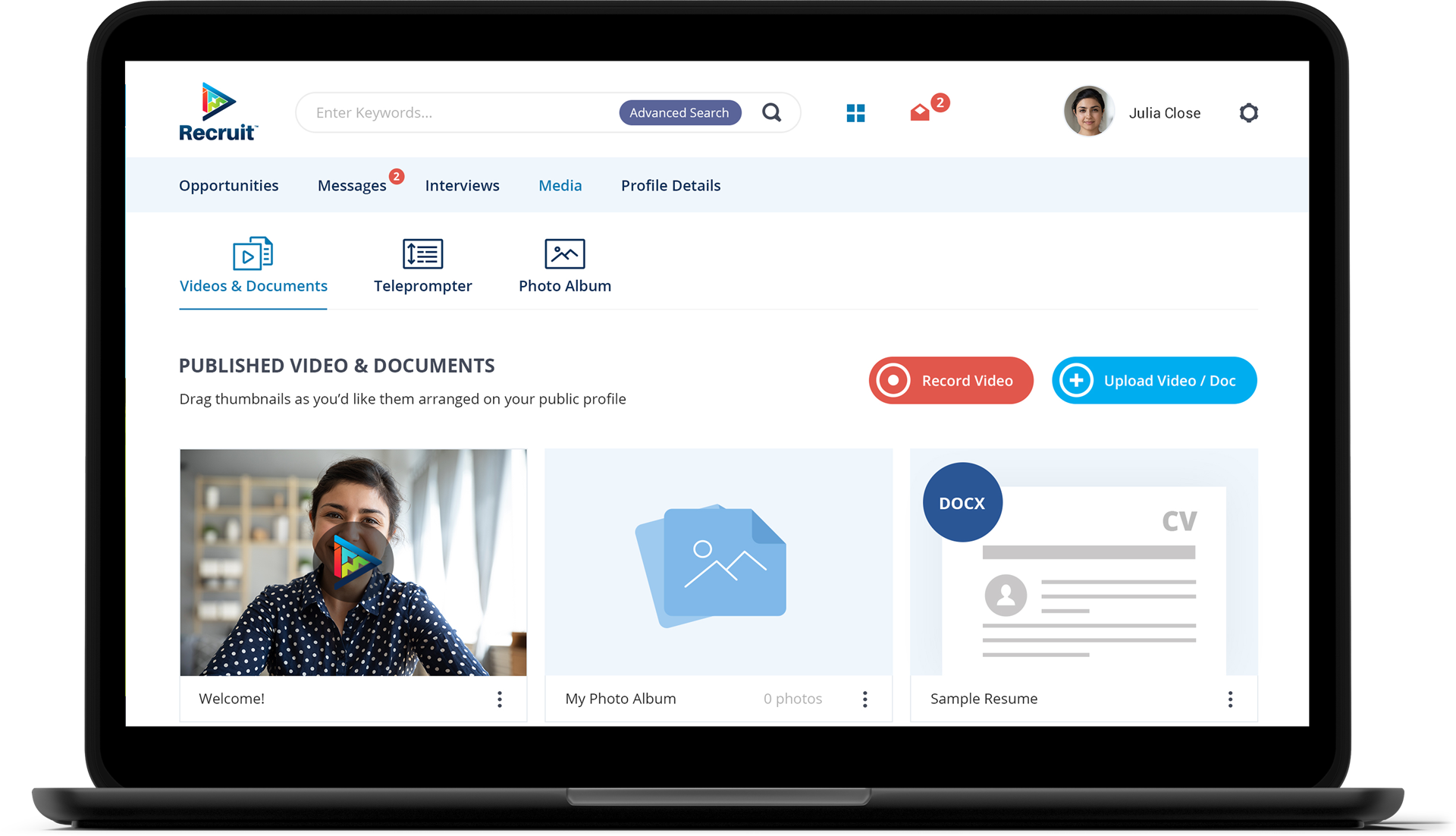
That’s where many solo founders bring in a partner. At Redwerk, we apply the engineering principles and security best practices honed over decades of building custom software for businesses across North America and Europe, including Fortune 500 companies like Siemens, J.B. Hunt, and Universal Music Group. We’ve taken niche products from scrappy MVP to scalable platforms, as in our recruiting platform case study and our AWE Learning edtech case study.
You don’t need any of that to start, and that’s the beauty of profitable micro SaaS ideas: you can validate one this month for almost nothing. But when your tiny tool becomes something hundreds of businesses depend on, the engineering underneath starts to matter, from solid multi-tenant SaaS architecture to security and uptime. Pick an unsexy problem, validate it relentlessly, ship something real, and build it to last. The boring niches are still wide open in 2026, and they’re steadily creating successful entrepreneurs who never needed to go viral. When yours is ready to scale, contact us and we’ll help you build it right.
See how we conceptualized and engineered an AI-driven recruitment platform with patented teleprompter tech