Cryptocurrency exchange app development cost depends first on one decision: whether you license a ready-made white-label platform or build your own. That choice sets most of the budget before anyone discusses features. After that, the type of exchange, the compliance work in your markets, and ongoing security spending shape the price.
Redwerk’s blockchain development services cover the trading logic, wallets, and smart contracts an exchange runs on. Crypto exchanges are among the most demanding products for blockchain in fintech, because they hold customer money, run around the clock, and must meet financial regulators’ rules. Budgets for two such projects can differ many times over, so a single price would tell you little about yours. Picking the right path at the start avoids a costly switch, because moving from a licensed platform to custom software means rebuilding the core and transferring every customer account.
How Does White-Label Crypto Exchange Cost Compare to a Custom Build?
A white-label crypto exchange is a finished trading platform that a software vendor licenses to other companies to run under their own name and logo. Your customers see only your brand, the same way a supermarket sells products made by another manufacturer under the store’s label. Licensing such a platform costs less at the start, because the vendor spreads its development expenses across many clients.
The package usually includes the core parts: the system that matches buy and sell orders, customer wallets, an admin panel, and often identity checks. You typically pay a setup fee, followed by a recurring license fee or a share of trading revenue.
A white-label exchange also goes live much sooner, because the core already works. The trade-off is less control over the product. You can change the logo, colors, and coin list, but deeper changes depend on the vendor’s plans. Security fixes, new features, and uptime also remain the provider’s responsibility.
A custom crypto exchange is software built for your business alone. You own the code, so you can design new trading products, connect the exchange to systems you already run, and adapt as the market changes. That freedom raises cryptocurrency exchange app development cost, because every core part has to be planned, written, and tested before launch. A custom build also needs engineers with previous experience in trading systems and blockchains.
White-label usually suits companies that want to test a market quickly or add trading to an existing financial product. Custom software fits founders whose exchange is the business itself, or who plan features no licensed platform offers. Some teams combine both approaches by pairing a vendor’s core system with a customer app of their own.
Centralized vs Decentralized Exchange: Where Does the Budget Go?
In a centralized crypto exchange (CEX), the biggest costs come from protecting customers’ money and meeting licensing rules, because the company holds every customer’s funds. The operator also runs a matching engine, which pairs buy and sell orders without mistakes even in the busiest trading hours.
If your product only needs to let customers hold, send, and buy a few coins, crypto banking app development requires less work than a full exchange. Platforms that serve only banks and other vetted institutions sometimes settle trades on a permissioned blockchain, a closed network that adds its own hosting costs.
Smart contracts are the main expense on a decentralized exchange (DEX). This code contains the exchange’s rules and moves coins between users once both sides agree. People use their own wallets, so the company never holds anyone’s funds. Many DEXs also need no matching engine, because traders swap against shared pools of coins that other users deposit.
Anyone can read a DEX’s smart contract code, including attackers looking for a flaw. Because the pools keep many people’s coins in one place, a single weakness can expose the whole pool at once. That risk is why careful engineering and independent code reviews are worth the expense.
Redwerk offers DEX development, along with crypto wallets and lending platforms. All three rely on the smart contract skills our team applied in Tingl, an anonymous messenger we created on the Polygon network. In that app, for example, crypto payments for private content run through code stored on the blockchain itself.
Each way of launching a crypto exchange puts its main costs into a different part of the project:
Upfront work
Setup, branding, and coin selection
Design and build of every core part
Smart contracts, code audits, and a web app
Main ongoing cost
License fee or revenue share
Hosting, maintenance, and a security team
A new audit for every contract update
Time to launch
Shortest
Longest
Depends on how complex the contracts are
Control over features
Limited to the vendor’s options
Full
Full
Who holds customer funds
Your company, on the vendor’s software
Your company
Customers, in their own wallets
Licensing workload
High
High
Lower, while the rules are still forming
Which Systems Drive Cryptocurrency Exchange App Development Cost?
Six systems behind every trade on a centralized platform drive crypto exchange development cost, even though customers never see them:
- Matching engine: Records every completed trade at the agreed price
- Wallet system: Keeps a small share of funds online for fast cash-outs and the rest in offline storage
- Blockchain connections: Links the exchange to each network it supports, so deposits arrive and withdrawals go out
- Balance records: Show what each customer owns at any moment, so nobody can take out more than they hold
- Admin tools: Give support staff, compliance officers, and accountants the screens and reports they need
- Market data: Shows live prices, order history, and charts
The number of coins you list is a cost driver many teams overlook. Each new blockchain needs its own deposit and withdrawal flow, its own connecting server, and its own round of testing. Twenty coins on 20 separate networks therefore take far more work than 20 tokens that all run on Ethereum. Tokens are coins issued on an existing blockchain, so they can share its connection.
Deposits and withdrawals in euros, dollars, or other national currencies require card and account integrations, usually through a licensed provider. Comparing blockchain payments vs traditional bank transfers helps you decide which methods to support first. Our DeFi development services cover the decentralized side of this work, such as wallets and connections between blockchains.
How Does Compliance Affect Crypto Exchange Development Cost?
Compliance raises cryptocurrency exchange app development cost in two ways: licensing takes time, and every required check has to be built into the software. Know Your Customer (KYC) procedures confirm who each person is at sign-up. Anti-Money Laundering (AML) monitoring then watches every account for signs of fraud or illegal funds.
To run these checks, an exchange connects to a KYC provider, a blockchain analytics service that flags coins linked to crime, and official sanctions lists. Transfers to other exchanges must also name the sender and the recipient, a requirement known as the Travel Rule.
In the US, an exchange that holds customer funds registers with the Financial Crimes Enforcement Network (FinCEN) and needs a money transmitter license in most states. Each state runs its own application process and fees, so the number of states you launch in shapes both the budget and the timeline. New York also requires a BitLicense from the New York State Department of Financial Services (NYDFS). The Securities and Exchange Commission (SEC) gets involved when a listed token is treated as a security.
Federal rules for the industry are still being written, so a new exchange should be designed to update its compliance features without rebuilding the whole platform.
In the EU, crypto trading services need authorization under the Markets in Crypto-Assets regulation (MiCA). Its transition period for existing providers closed on July 1, 2026. Companies preparing for authorization can work with our MiCA regulation compliance specialists. Every exchange faces its own mix of rules, so we tailor the service package to each client’s markets and obligations.
What Does a Crypto Exchange Cost to Run After It Goes Live?
Security takes a large share of a live exchange’s budget, because the platform holds money that attackers want. According to Chainalysis, more than $3.4 billion in crypto was stolen in 2025. A single attack on the Bybit exchange accounted for $1.5 billion of that total. The same research found that hackers increasingly target the private keys and approval steps that centralized platforms use to move funds.
Plan for these ongoing costs:
- Security testing: Regular tests in which specialists try to break in the way an attacker would, plus a fresh smart contract audit after every code update
- Liquidity: Fees for market makers, professional traders who keep enough buy and sell orders open for trades to fill quickly at fair prices
- Monitoring and support: Staff and tools that watch the platform day and night and answer customer questions
- Rule changes: Software updates whenever regulators add new reporting or verification requirements
- New coins: Another round of connection and testing work for each network you add
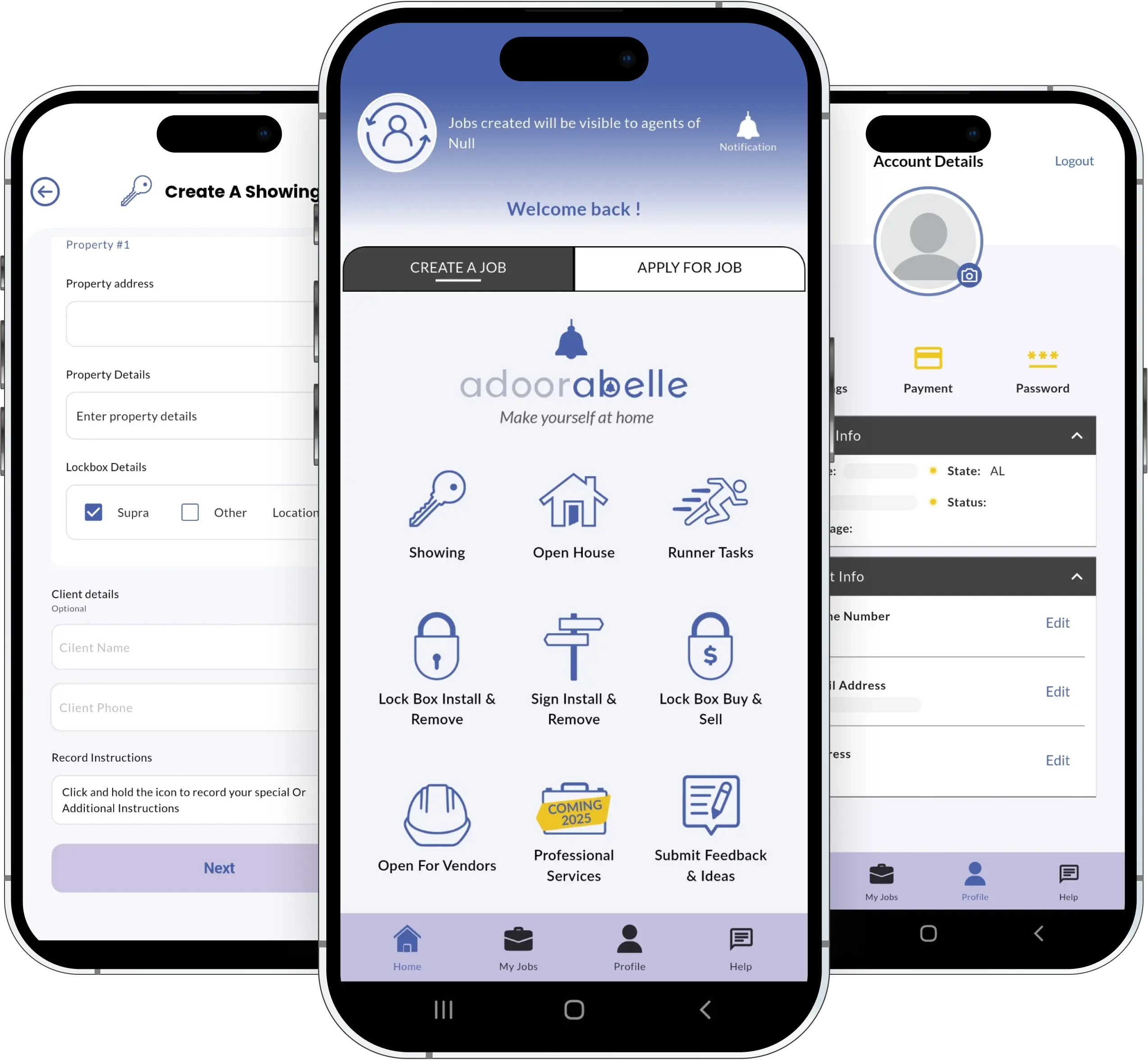
Independent experts catch risks that a busy in-house team can miss. When we audited Adoorabelle, a marketplace app with built-in payments, our engineers found payment system keys written directly into the code, one of 80 issues the review uncovered. Many exchanges also keep a reserve fund or an insurance policy to repay customers after a theft. Some cover for stolen crypto now runs on smart contracts, one of the newer models in blockchain in insurance.

Which Crypto Exchange Setup Fits Your Business?
The right setup depends on how fast you need to launch and how much control you want over the product. A white-label platform gets a business trading quickly, a custom build lets you shape every feature, and a DEX needs less licensing work but more care in writing and testing its smart contracts. Our blockchain team can develop both a centralized exchange and a DEX from scratch.
Open questions about markets, coins, or licenses are a normal place to start. A discovery phase answers them together with you and shows which parts drive the budget before development begins. Every update is written for business readers, so owners can weigh each trade-off and make the final decision themselves.
Let’s plan your crypto exchange together.
FAQ
How much does it cost to build a crypto exchange?
Cryptocurrency exchange app development cost has no standard price, because every business makes different choices. The biggest decision is whether to license a white-label platform or order custom software. A centralized or decentralized design, the number of coins, the countries you plan to serve, and security spending after going live also move the total. An estimate becomes reliable once those decisions are made.
Is a white-label crypto exchange cheaper than building one?
A white-label exchange is cheaper at first. The white label crypto exchange cost covers a setup fee plus recurring license payments or a revenue share, with no spending on building the core software. The savings shrink as the business grows, because those payments continue for as long as the platform runs. A custom build costs more upfront but leaves you owning the code and free to add any feature.
Is a DEX cheaper to build than a centralized exchange?
A DEX is not always cheaper. The decentralized model avoids the costs of holding customer funds, such as custody security and most licensing work. Its budget goes instead to smart contracts, the code that runs every trade, and to independent audits. Reviews are needed before going live and again after every update. Whether the total ends up lower depends on the features and blockchains involved.
Does a crypto exchange need a license?
A crypto exchange almost always needs a license if it holds customer funds. In the US, that means FinCEN registration, money transmitter licenses in most states, and a BitLicense for New York residents. In the EU, the exchange needs authorization under MiCA, the EU’s crypto regulation. Platforms that never hold customer funds face fewer requirements, though their rules are still developing. A lawyer should confirm what applies in each market.
What costs continue after a crypto exchange goes live?
Running costs fall into three groups. Protecting funds covers security testing, monitoring, and new audits whenever smart contract code changes. Keeping trading active means paying market makers, the traders who make sure buyers and sellers can always find a match. Staying compliant covers license renewals, compliance staff, and software updates when rules change. Customer support and new coins add further costs as the exchange grows.
See how we helped a real estate app achieve App Store and Google Play compliance by uncovering 80+ functional and security risks