Having built and deployed more complex systems than our development team can count, we’ve learned exactly what it takes to launch powerful, ever-changing software solutions.


Planning
When considering your project, whether it’s for a mobile app, desktop app, or any other software solution, a concept alone isn’t enough to assess its full scope. We’ll dissect your project, estimating resources for each part. Our processes are transparent, giving you a clear view of the end product’s shape, time, cost, and required technologies.

Design
This stage defines the look and the feel of your future software masterpiece. Design involves choosing the color palette and fonts, developing the map and wireframes of your application, identifying interactive objects, and deciding the interactions themselves. Throughout every design choice, we’ll be seasoning it all with smooth and beautiful animations.

Development
After all estimates are approved, you can decide whether your product needs an MVP (minimum viable prototype) as a demo first. If not, we can skip this part and move right to full-scale project development with all the turning parts, design, and functions that you require. Throughout the project, you can observe every aspect of the development process, and our managers are always available if you need to consult with them.

Testing
To ensure the quality of your final product, we conduct a series of automatic and manual tests. We’ll perform everything from Unit Testing, to System and Acceptance Testing. This way, we can guarantee that your software is going to be smooth, stable and well-received upon release.

Release
After being analyzed, coded, designed, and tested at Redwerk, your product will be 100% ready for release. Once development is done, and if needed, we can help you pick a hosting provider to deploy your solution live. Now you’ve got a fully-operational software product and the development is finished, Congratulations!

Support
Even though we kill all the bugs prior to your release date and provide our clients with exhaustive, quality documentation for each project that we deliver, additional support is never redundant. You may choose to sign an SLA with us and get a Redwerk support team who will address the requests of your customers on a daily basis.
Selected Product Development Cases
Software products that we’ve developed from the ground up.
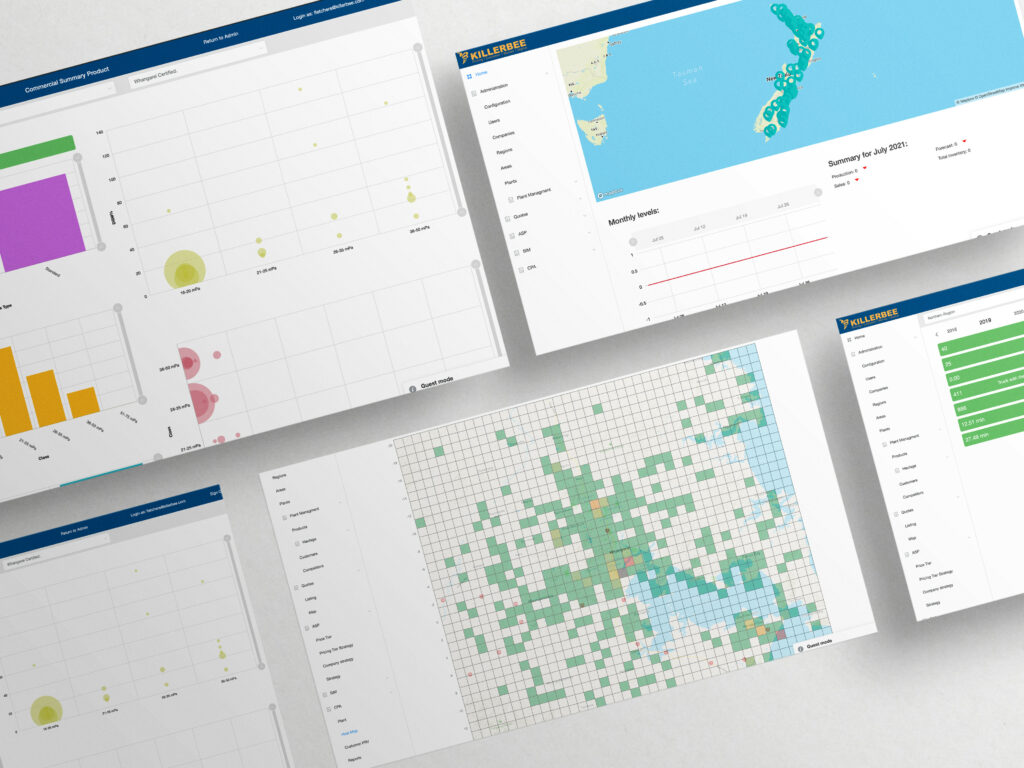
KillerBee
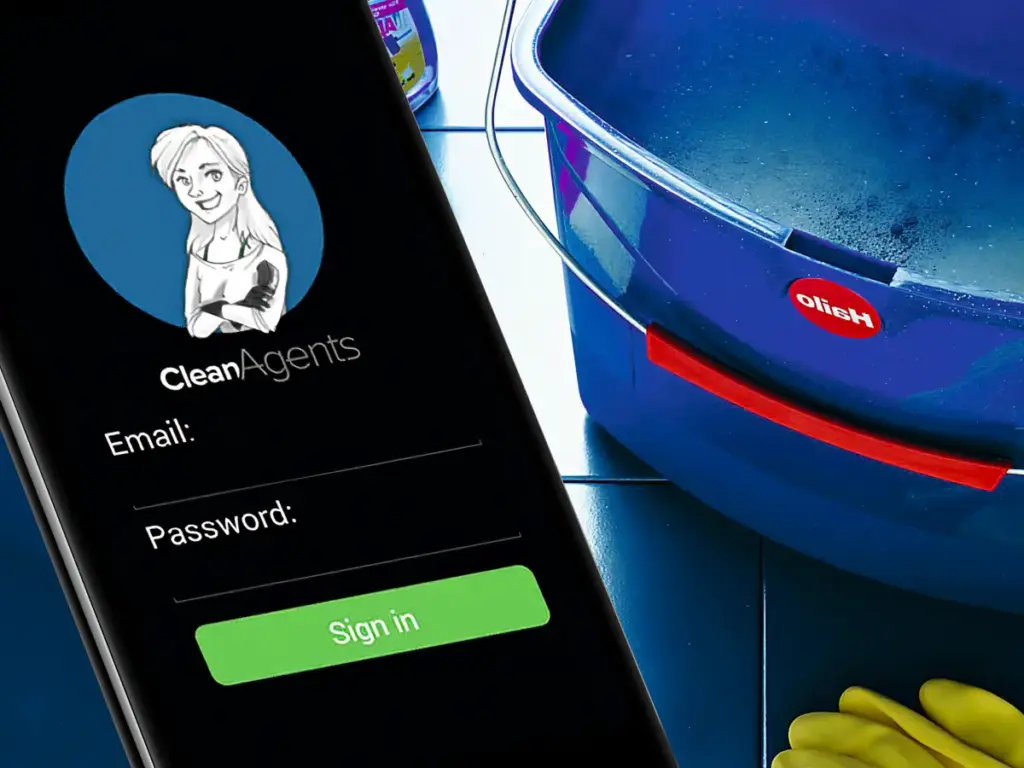
Cleanagents
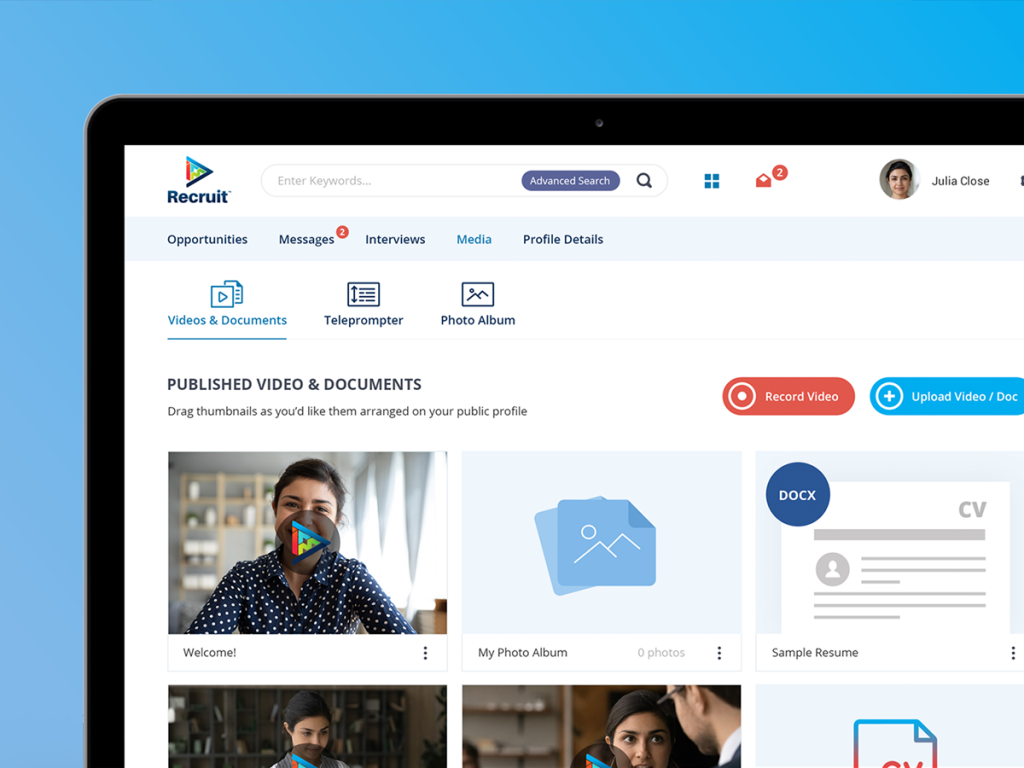
Recruit Media
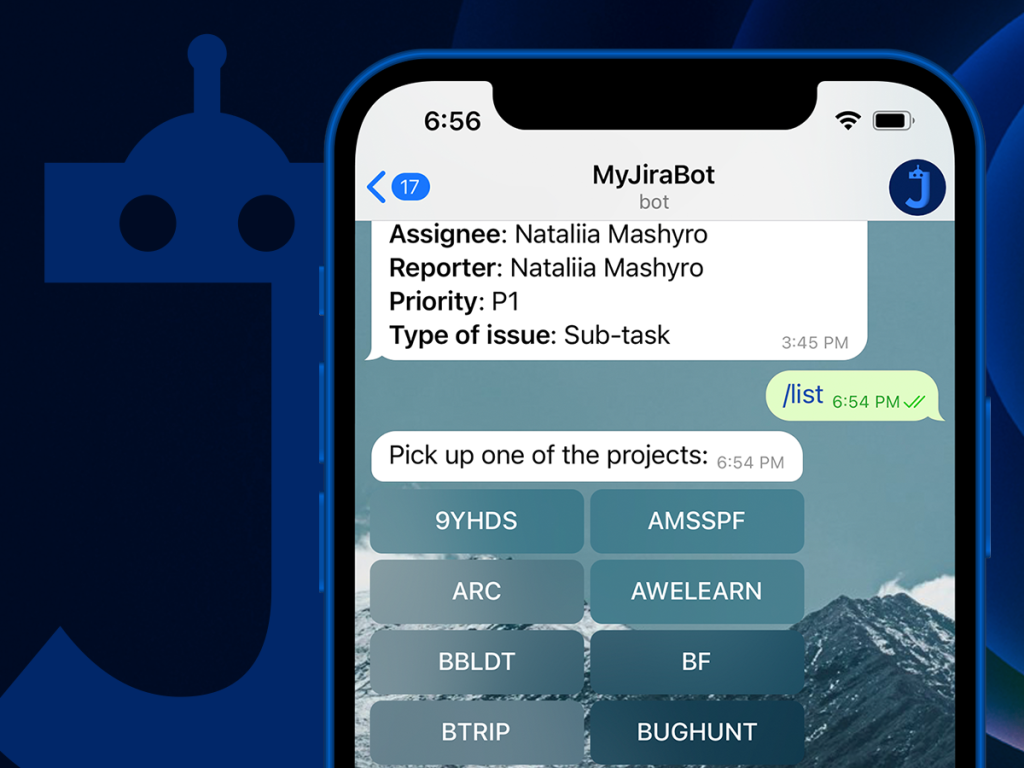
MyJiraBot
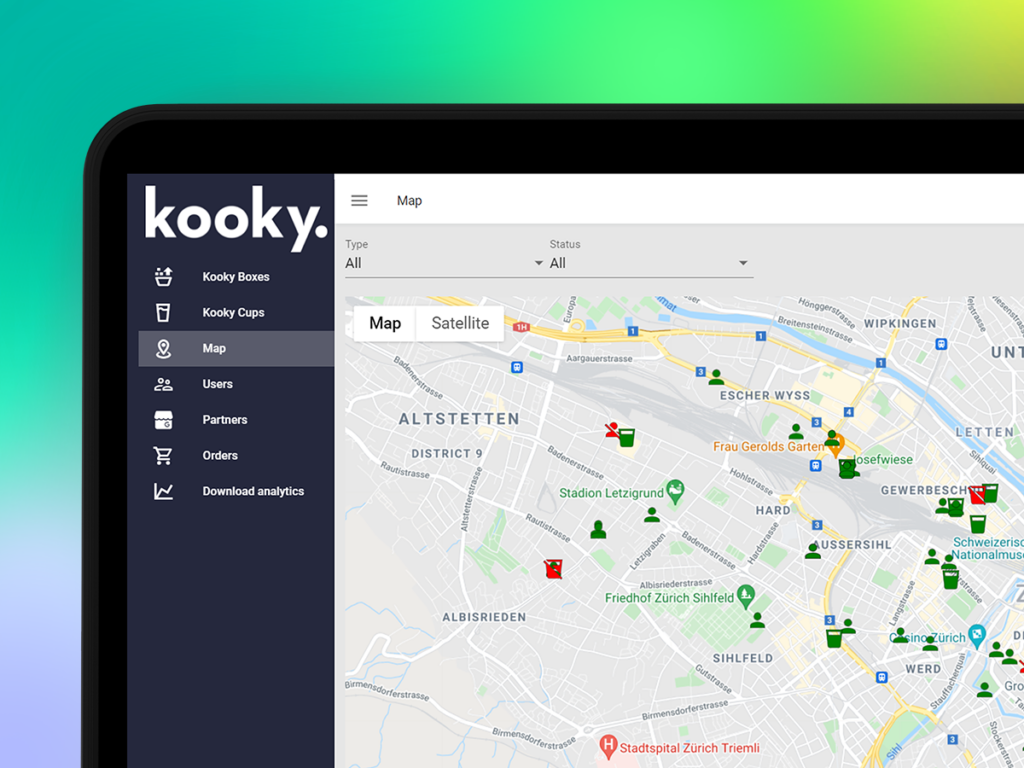
Kooky
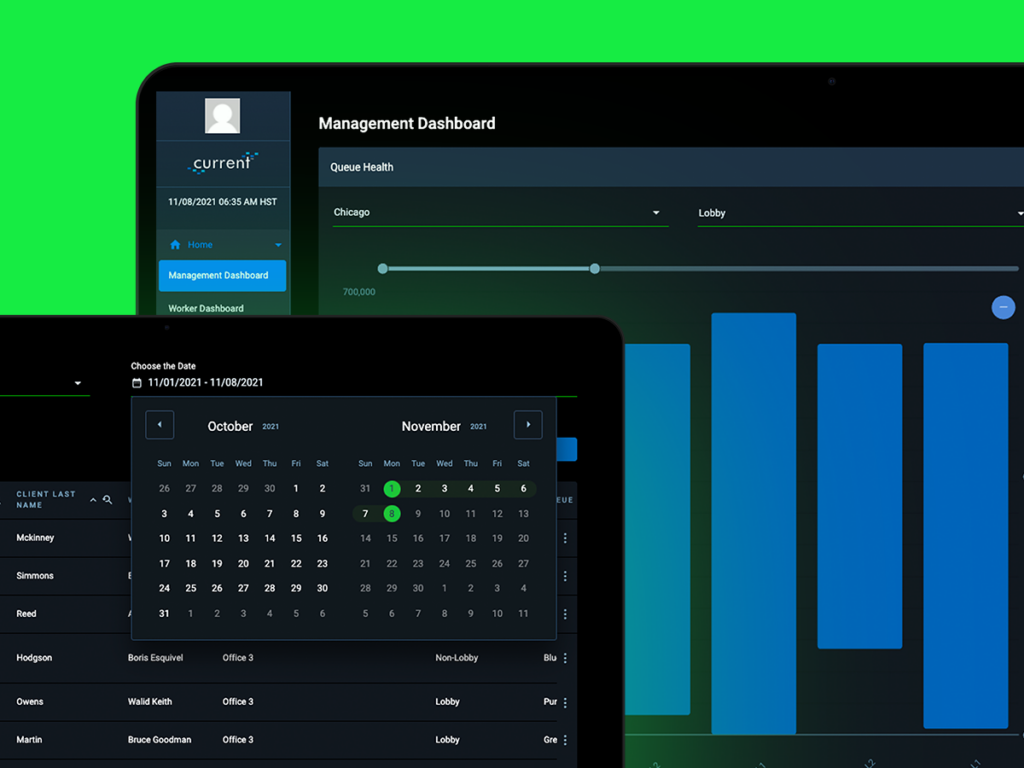
Current
Looking for a professional software product development team?
Contact UsWhy Us
Easy Software Development
By outsourcing your company’s software project to Redwerk (no matter how simple or complicated), you’ll be in the best of hands. Utilizing our decades-worth of experience, we’ll bring your product’s vision to life, and provide your company with a high-quality piece of software.
Quality Guarantee
We put tremendous effort into building software that users will be eager to adopt. Whether your company needs a web app, mobile app, SaaS, or any other piece of software, you can rest assured knowing that Redwerk guarantees the quality of your build.
Quick Deadlines
While it takes some time to properly build a quality software solution, we’ll make the development process feel quick and painless. Redwerk will schedule a series of milestones for your development project which won’t be missed. In fact, we’ve never missed a deadline.
Intellectual Property Rights
We provide you with 100% ownership of the software we build through our custom software product development services. All work performed by Redwerk, from intricate wireframes down to the smallest note, belongs solely to you. No exceptions!
Legal Protection
Need us to sign a Non-Disclosure Agreement (NDA)? No problem. We’re a professional offshore software product development company, and we’ll make sure to protect your project’s privacy.
Strong Communication
You’ll find it easy to chat with our team in English, amongst other languages. Plus, we’ll work hard to regularly communicate with you during a window of time that’s most convenient to you. Communication is key, and a core value of the Redwerk team.
Thinking of outsourcing?
Don’t rush in – check out
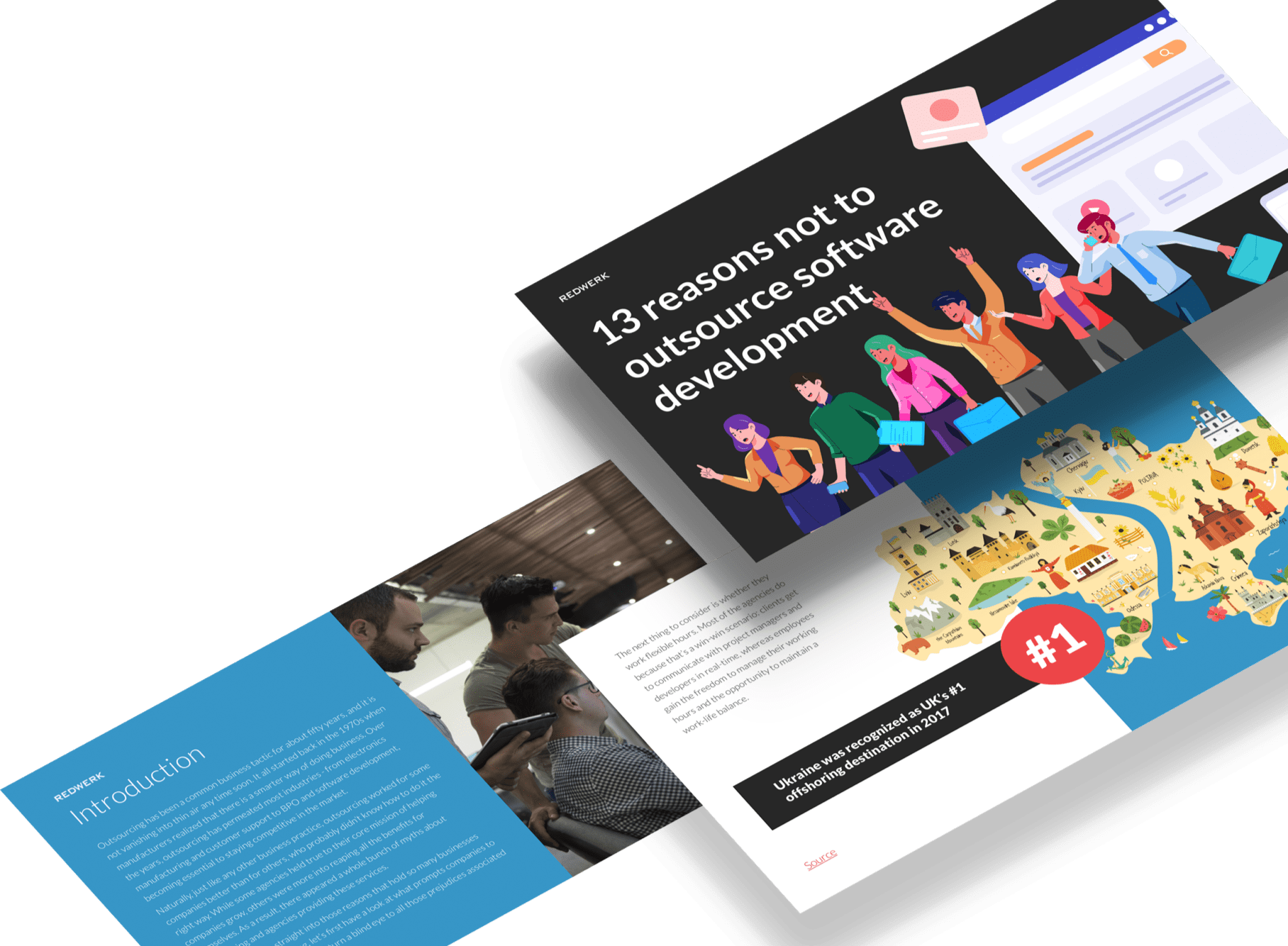
13 reasons to avoid outsourcing
Statistically, 92% of online traffic will click the websites on Google’s first page
Get additional free SEO audit
for your project
All software you did was amazing! If we ever decide to create custom software development, it's going to be Redwerk. I have already recommended you to my colleagues.


Redwerk is a skilled IT Service provider specializing in complex application development, QA and support. Their team is highly skilled, on-time and usually on-budget. They have a cost-effective deployment model and serve the technical and business needs of LinkTiger. I have recommended their services to many business colleagues and they have thanked me for that.


Redwerk provided expert knowledge and delivered a solid first generation Web-application that serves a mission critical database for our company. We have worked on subsequent projects to enhance this application and design other Web-based tools.


Absolutely worth any time and money. I have been working on an Android app for my start-up CleanAgents.com and Redwerk was able to deliver quickly a reliable solution with all testing and expected value. Would recommend for projects of any size and level of difficulty.

Related in Blog

Top tools Project Managers use for remote work in 2024: Redwerk edition
How to Choose the Right Tech Stack for Your Project

Software Development Terms Vocabulary for Non-techies: Top-60 to Know

Top 7 Reasons Why You Should Never Outsource Software Development

CleanAgents: One Of Our Clients Gets Acquired By Helpling.de
Ready to hire experienced product developers?
We’d love to hear from you!
12
COMPLEX DISTRIBUTEDSYSTEMS DEVELOPED
FROM SCRATCH
3000
USERS’ ISSUESADDRESSED BY OUR
SUPPORT SERVICE
40%
FASTER TIME TO MARKETDUE TO OUR AGILE
PROCESS
7
STARTUP COMPANIESTRUSTED US WITH THEIR
WHOLE TECHNOLOGY